5 Warning Signs Your Child May Have an Eating Disorder

Food can be a pleasure for some and a painful experience for others. The latter often translates into eating problems known as eating disorders. These disorders are complex conditions influenced by multiple factors, including genetic vulnerability, family history, body dissatisfaction, low self-esteem, perfectionism, dieting, and weight stigma. While many associate eating disorders with adults, children under 12 years old can also develop conditions like anorexia, binge eating disorder, ARFID (Avoidant/Restrictive Food Intake Disorder), and disordered eating behaviors.

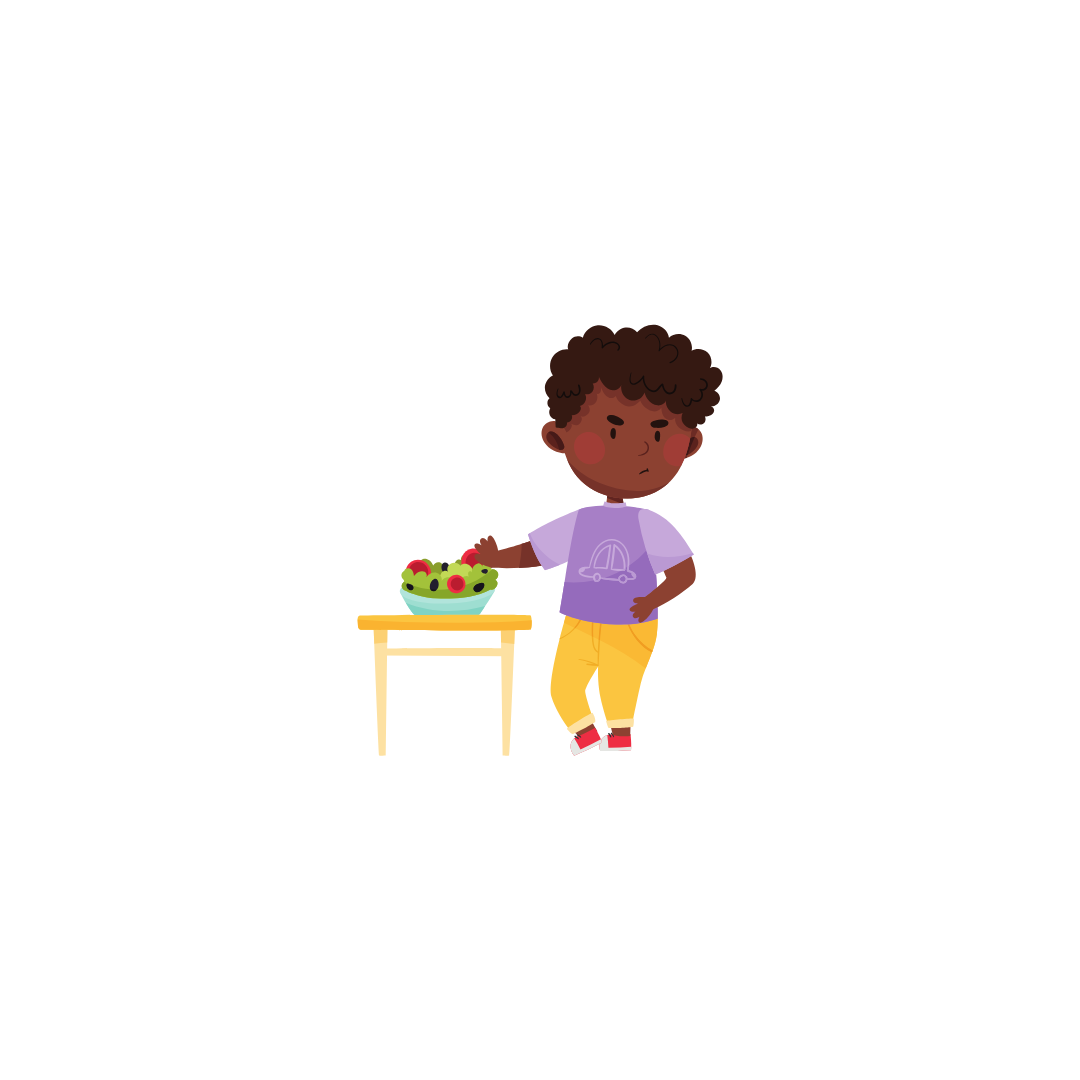
Children are naturally intuitive eaters, following their hunger and fullness cues without external influence like nutritional knowledge. However, societal pressures and exposure to misinformation can impact their relationship with food, making early detection crucial.  They can find it enticing to adopt new ways that appear exciting and ‘’better’’ than how they had learned to eat at home. Here are five warning signs that your child may be developing an eating disorder:

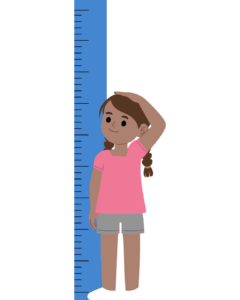
1. Lacking Height for Age: A Key Symptom of Eating Disorders in Children

One of the most concerning eating disorder symptoms in children is stunted growth. When a child lacks essential nutrients and energy, it affects their weight and height development. Nutrition plays a vital role in physical and mental growth, and delays in growth may indicate anorexia nervosa, ARFID, or another restrictive eating pattern.  When caught early, this impaired height can be reversed with adequate nutrition. Regular pediatric visits can help track growth curves and identify potential concerns early on.

2. Restrictive Eating Patterns: Warning Signs of Anorexia and Other Eating Disorders

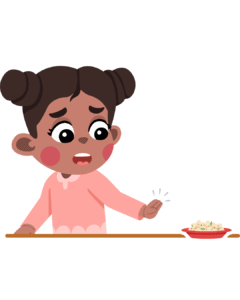
If your child starts cutting out entire food groups, adopting a new diet, or displaying fear around certain foods, this may signal an eating disorder or that they are engaging in disordered eating. Children learn quickly that society associates a thin body as the way to live a happy and healthy life. Children, influenced by media and diet culture, might perceive weight loss as the key to happiness and health. Orthorexia (an obsession with “clean” or “healthy” eating) can also emerge, leading to excessive dietary restrictions that impact overall well-being. If your child shows signs of food avoidance, it is essential to address the issue early.

3. Binge Eating Disorder: Signs Your Child May Be Overeating to the Point of Discomfort

Binge eating disorder is a serious issue. When people don’t eat enough for a long time, their bodies try to make up for it by eating a lot at once. Our bodies send hunger signals to let us know when we need food for energy. If we ignore these signals, they can get even stronger. This can lead to eating too much when food is finally available, sometimes to the point of feeling uncomfortably full.

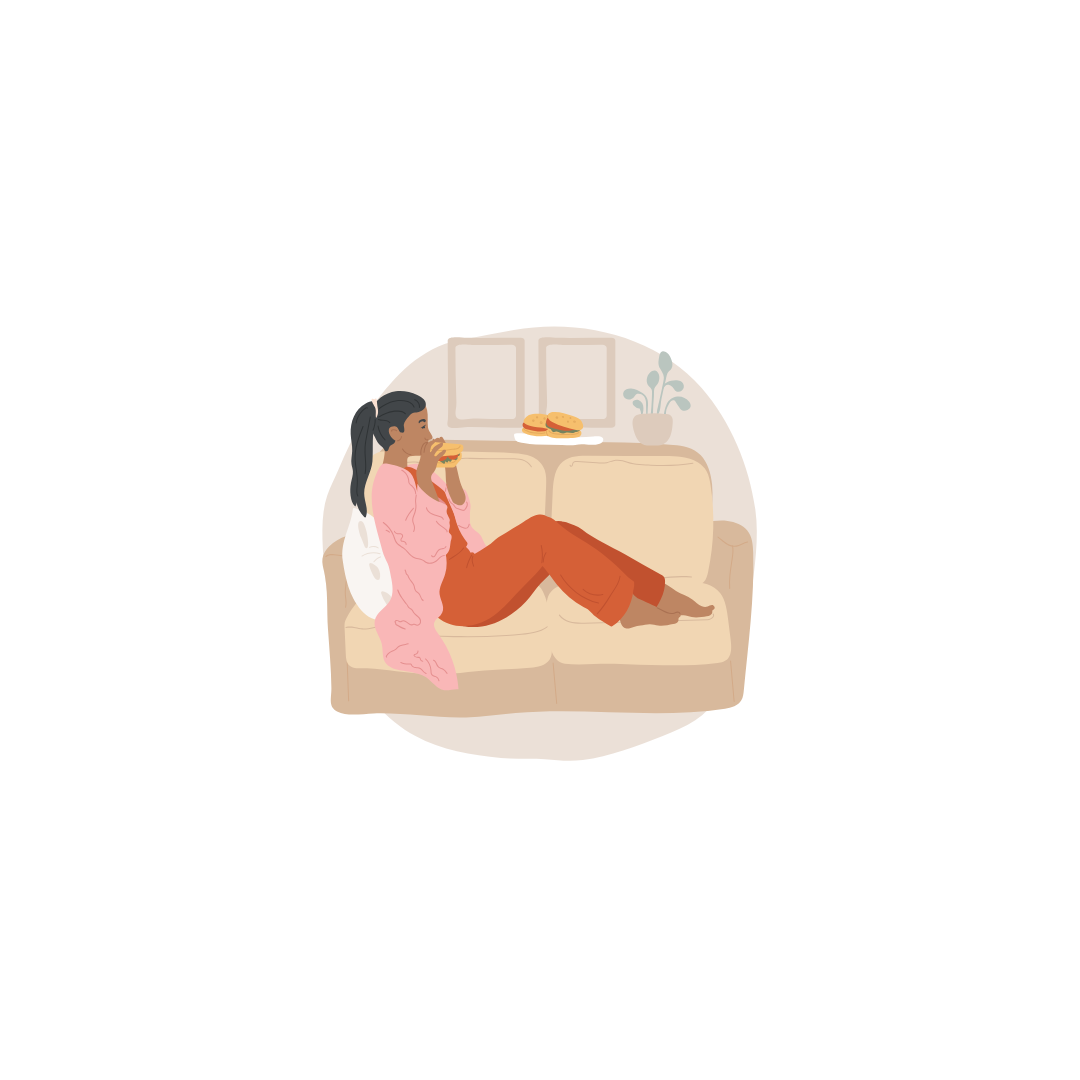
Children may also eat past their comfort level and feel guilty, ashamed, or distressed afterward. If this pattern continues, it can cause serious health problems. Overeating can sometimes be a way to cope with difficult emotions. If someone is regularly eating until they feel uncomfortable, it may be a warning sign that they need support.

Binge eating disorder can be another serious concern. Restricting food intake often leads to episodes of overeating, as the body attempts to compensate for prolonged hunger. Our bodies are designed to respond to hunger signals, which request energy to function throughout the day. When these signals are ignored, they become stronger, and when we finally have access to food, we may eat beyond our physical comfort. Children, in particular, may eat past their comfort level, resulting in feelings of guilt, shame, or distress afterward. Disordered eating behaviors like these can have long-term health consequences if not addressed. Eating to the point of discomfort may also be a way for the child to cope with uncomfortable emotions, using food as a form of self-soothing. Recognizing this pattern can serve as an important red flag.

4. Frequent Bathroom Trips After Meals: A Red Flag for Bulimia and Other Eating Disorders

Some behaviors might be done in secrecy, such as the misuse of laxatives or self-induced vomiting. These can be in an attempt to feel less full (in the case of eating past the point of discomfort) or to reduce the normal ‘’roundness and full’’ appearance of the abdomen (commonly referred to as bloating). Suppose your child disappears to the bathroom shortly after eating. In that case, they may be engaging in purging behaviors such as self-induced vomiting or laxative misuse—a common sign of bulimia or anorexia nervosa. Parents should be alert to signs like swollen cheeks, knuckle scars, frequent weight fluctuations, or lingering vomiting odors. These behaviors can cause severe health complications, including electrolyte imbalances and dental erosion.

5. New or Increased Interest in Nutrition and Dieting - An Early Sign of an Eating Disorder?

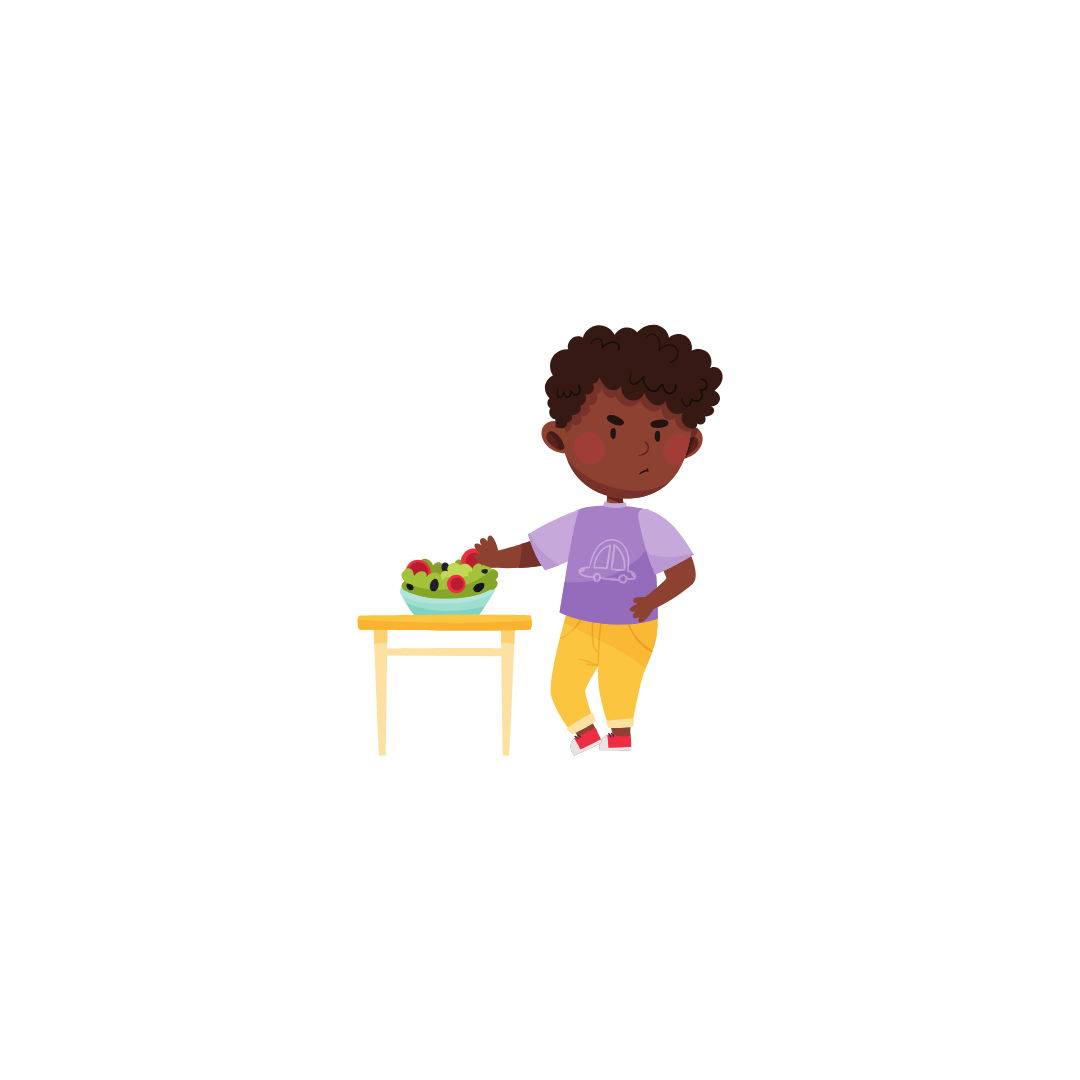
Having an increased interest in nutrition can sometimes be a positive thing, especially in the case of family activities, such as helping in cooking meals (such as preparing foods) or baking sweets together and having the child participate in the process. However, a child developing an eating disorder may suddenly become highly interested in nutrition, weight loss, grocery shopping, meal prepping, or food-related media. While some interest in food is natural, an obsession with “healthy” eating, calorie counting, or weight control may indicate deeper concerns. Anorexia and orthorexia often start with a seemingly harmless desire to “eat better” but can quickly spiral into rigid food rules and avoidance of eating. Initially, it is done with good intentions, but it can quickly become troublesome, where no parental control is tolerated by the child regarding food. You may also notice an increased interest in baking or food preparation, but the child may not engage in eating the food that they prepare. 

What Parents Can Do: Effective Strategies for Supporting a Child with an Eating Disorder

Children are vulnerable to social pressure, diet culture, and misinformation. Increased stress, particularly from school or social expectations, can contribute to eating disorders as a way to cope with emotions. Observing, listening, and having open conversations about food and body image can help parents understand their child’s thoughts and behaviors. Observing with curiosity and talking with children about their lived experiences can help understand what they are living and what may be informing their newfound interest in food and nutrition. As a parent, trusting your instincts about changes that don’t appear normal to you is crucial. Becoming aware of these signs is a first step

If you suspect your child may have an eating disorder or is engaging in disordered eating, seek professional help immediately. Early intervention is crucial for the best outcomes, and treatment teams specializing in eating disorder recovery can provide the necessary support. Eating disorders have no single cause, and no one is to blame. Reach out to our team for personalized guidance and support. Contact us at 514-437-4260 or email info@sooma.ca to learn how we can help.

You can also book an appointment with one of our professionals directly by clicking this link.

Written by

Ariel Comtois

Registered Dietitian

References


  1. National Eating Disorder Information Centre (n.d.) A Parents’ and Caregivers’ Guide to Supporting Youth with Eating Disorders, National Eating Disorder Information Centre. https://bodyprideca.files.wordpress.com/2019/05/nedic-parent-resource-web-version.pdf
  2. Bulimia Help (2012) 21 Signs Some One Has Bulimia Nervosa, Bulimia Help Webpage.http://www.bulimiahelp.org/article/signs-bulimia

Related Posts

Scroll to Top