

Family-based treatment (FBT) is a therapeutic approach that was developed in the 1980s for management of anorexia nervosa [1]. In FBT, the therapist has an agnostic view where no time is spent analyzing why the eating disorder developed. In this approach, food is seen as “medicine” and the therapy prioritizes full nutrition recovery and prevention of disordered eating behaviours [2].
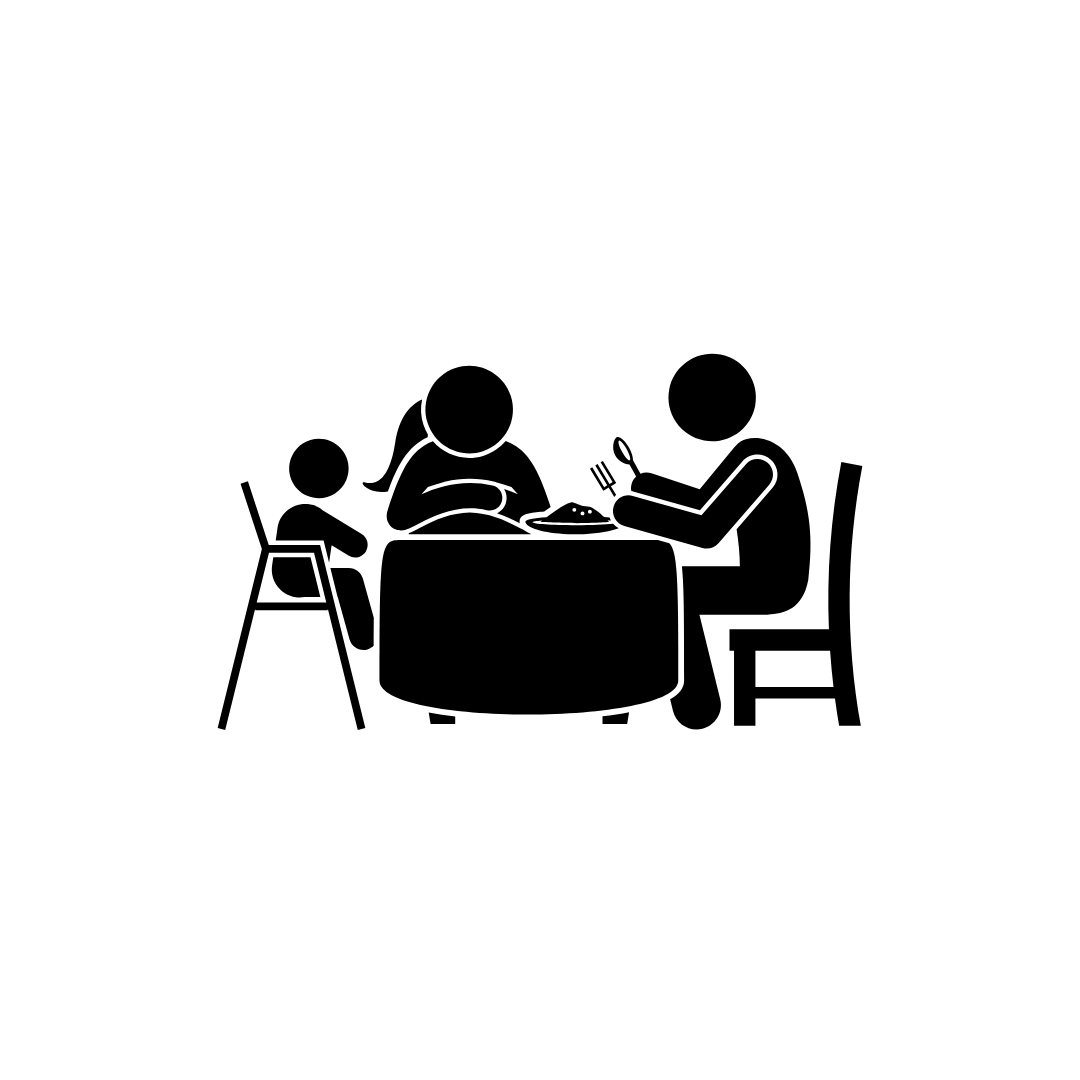
Family-based treatment is an outpatient therapeutic method for children and adolescents with a diagnosis of anorexia nervosa or bulimia nervosa [3]. In this therapeutic approach parents or guardians learn how to help their struggling child or adolescent using both the behavioural and psychological strategies necessary for weight restoration and eating disorder recovery [1]. An advantage of FBT is that it empowers families to address and reverse the factors that maintain the eating disorder [4]. A common misconception of FBT is that it involves force-feeding, but it is no different than what is done in a hospital or residential treatment program [5]. In fact, FBT is advantageous compared to the aforementioned programs as it utilizes the deep parental understanding of their child and love which empowers families to refeed their child at home [1].