Are You Ready For Gentle Nutrition?

Introduction

Intuitive eating isn’t just about eating whatever you want, whenever you want. Intuitive eating is also about using nutritional principles as a guide and not as rules. This is called Gentle Nutrition. Gentle nutrition is the 10th and last principle of intuitive eating: « Honor your health with gentle nutrition ». It means that you should make decisions that honor your health, your tastebuds, and that make you feel good, therefore satisfying your physical and emotional needs. However, it is essential that the 9 prior principles are respected and internalized before you start practicing gentle nutrition to prevent any risks of it becoming unhealthy, diet-like, or restrictive.

To learn more about intuitive eating, be sure to check out our previous blog post here.

What is gentle nutrition?


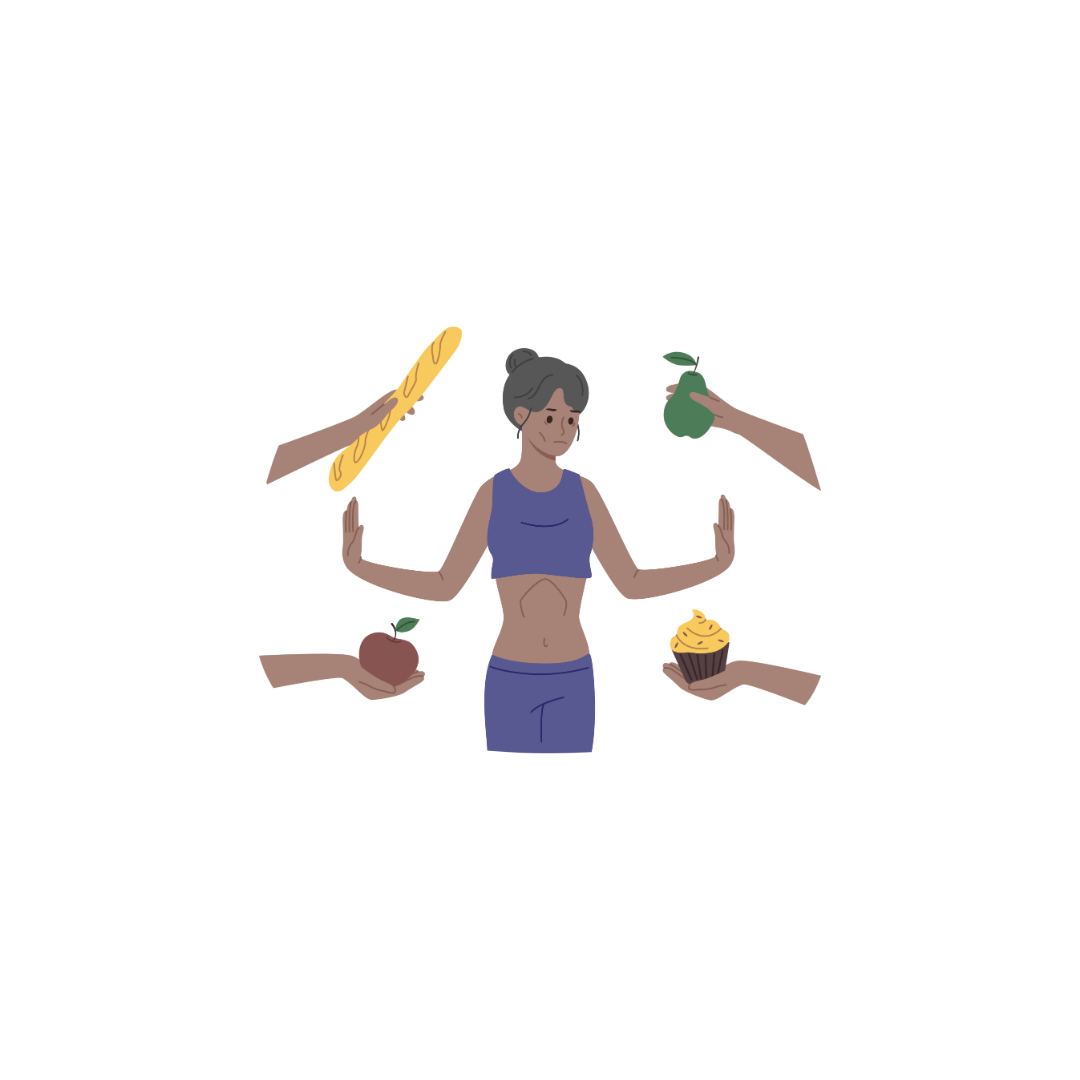
Gentle nutrition is solely based on self-care and not restriction. This is why it’s the last principle of Intuitive eating. It is important to heal your relationship with food and reject the diet mentality and the food police before starting gentle nutrition. Part of self-care is to make informed decisions, which means taking into consideration several aspects. For example, if it’s time for lunch but you don’t necessarily feel hungry because you had a late breakfast, you might still decide to eat because you know you won’t have time to eat again before it’s time for dinner. Gentle nutrition is different for everyone, depending on your needs, your lifestyle, your food access, and your food planning and preparation skills. Gentle nutrition might not mean the same thing to everyone, and the meaning of gentle nutrition can change from time to time and be more or less important at different times in your life.


Principles to remember

Body-food choice congruence


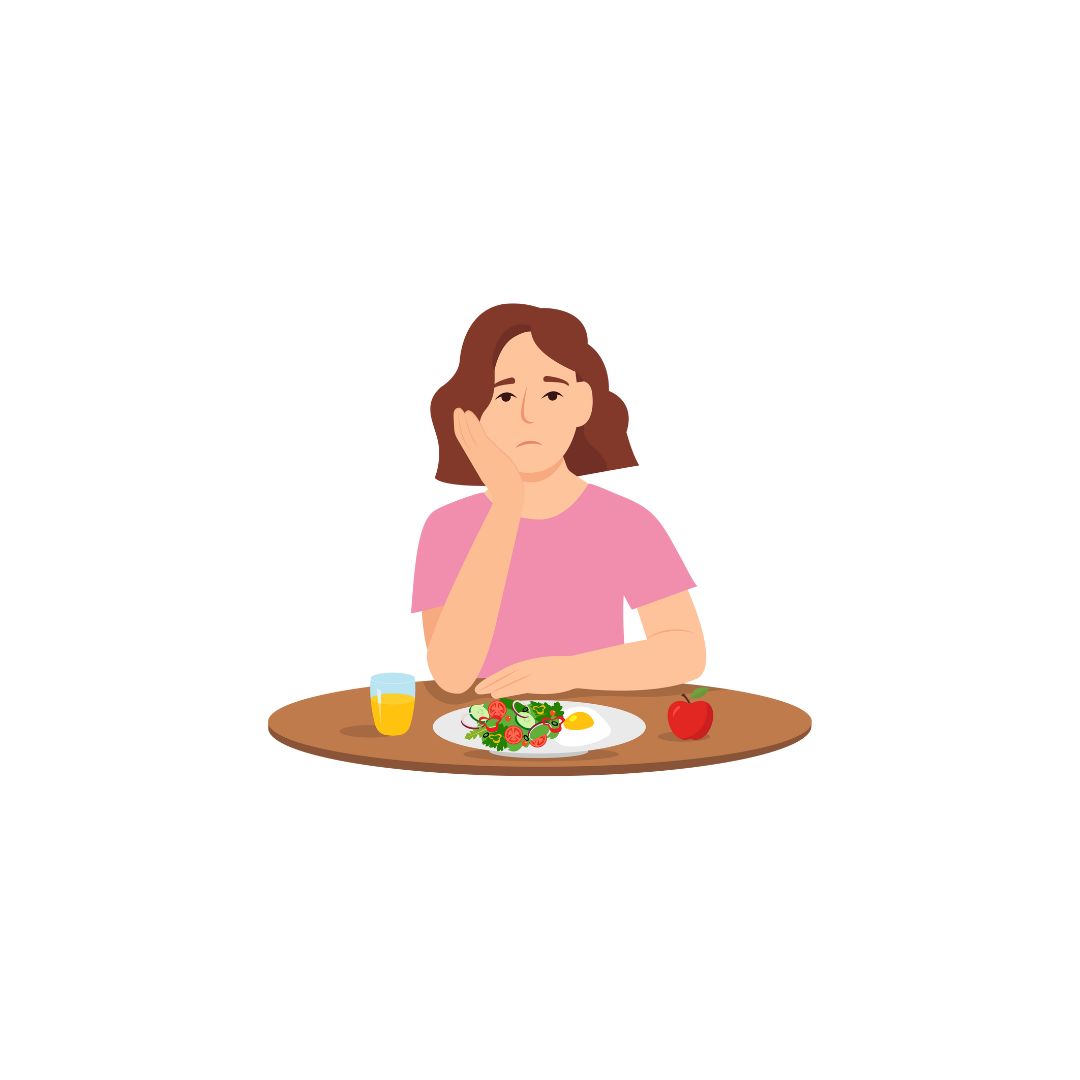
This represents how you physically feel after eating foods, which impacts your decision on what you eat. Therefore you are not only taking into consideration your tastebuds and the foods you might be craving, but also foods that are good for your health and that give you pleasure. If you eat something that doesn’t feel good in your body, you won’t feel satisfied after eating it. Body-food choice congruence might be reflected by you craving a salad because you haven’t had one in a long time, which would satisfy your craving but also make you feel good.

Play food versus nutritious food


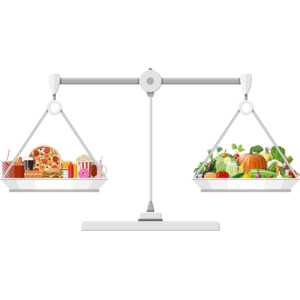
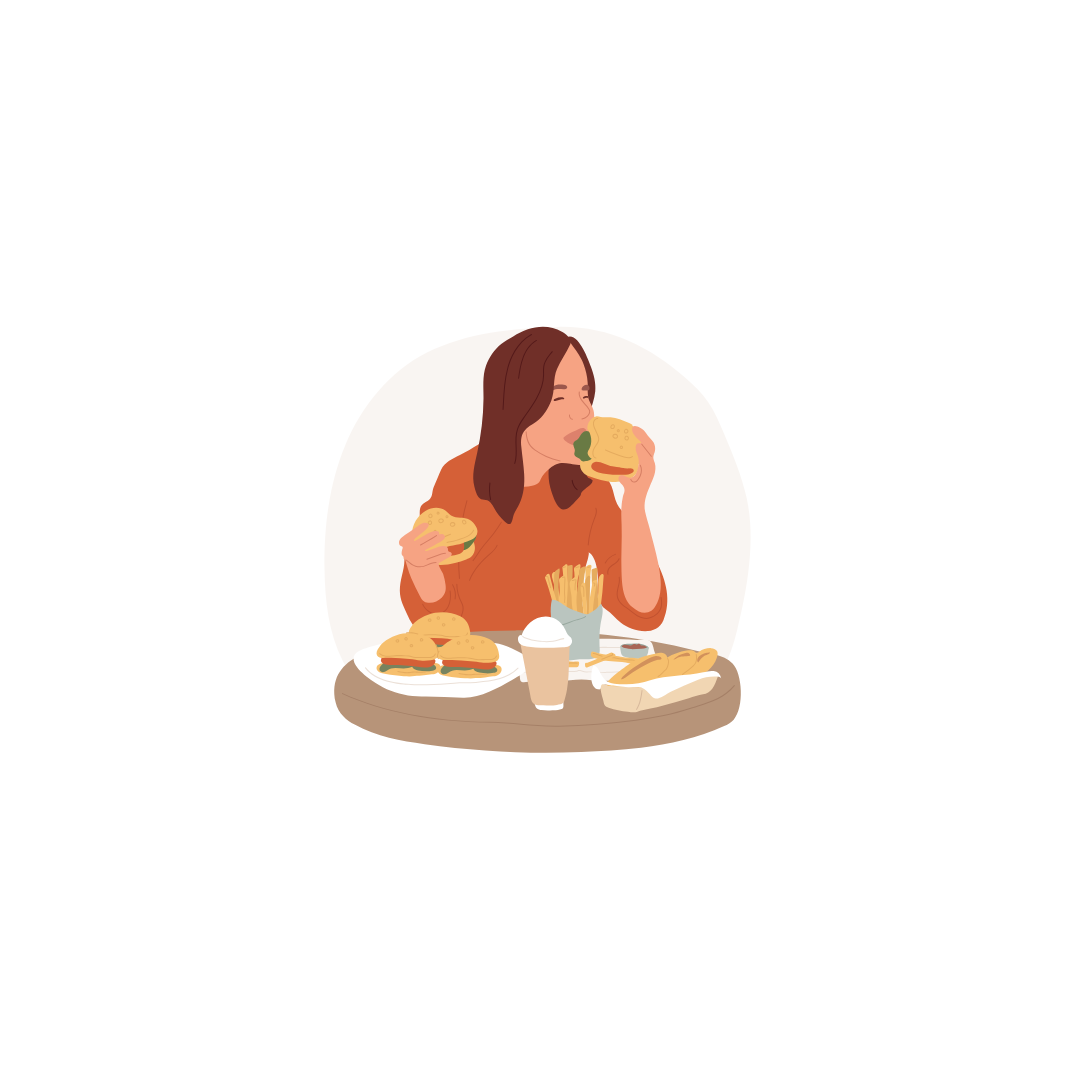
The term « junk food » is commonly used to refer to foods that have a low nutritional value. As an Intuitive Eater, it might be helpful to replace that term with « play food » referring to foods that are high in energy or calories and that are usually low in micronutrients (vitamins, and minerals). It is not realistic to only consume healthy foods, as this could lead to disordered eating, specifically orthorexia which is an obsession with healthy foods. Know that it is normal to crave play foods and that it is not all that you will desire when you’ve made peace with food.

Authentic Health


Authentic health is taking into consideration your body and mind’s needs and desires while also taking into account the external health values and the health guidelines in terms of nutrition and movement from reliable resources like the Canadian Food Guide. Internal attunement is a mix of instinct, thought and emotion, with instinct being deciding to eat because you’re hungry and stopping to eat because you’re full. However, you can’t always rely on instinct because some things could disconnect you from feeling hunger and fullness, for example, if you have an illness. External health guidelines could also be based on preferences or personal reasons for example the environment (vegetarianism) or religion (kosher).

The hierarchy of nutrition needs


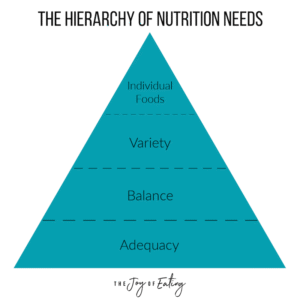
In the hierarchy of nutrition needs described by Rachael Hartley in her book « Gentle Nutrition », we first start with adequacy, then balance, then variety, and end with individual foods. 

    • Adequacy represents whether or not you’re eating enough and highlights the importance of fueling your body adequately. 
    • Balance represents consuming all of the micronutrients in adequate amounts and at almost every meal: protein, carbs, and fat.
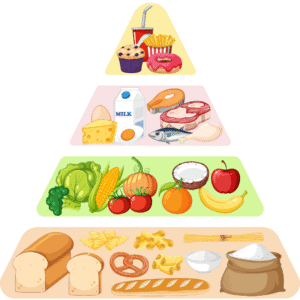
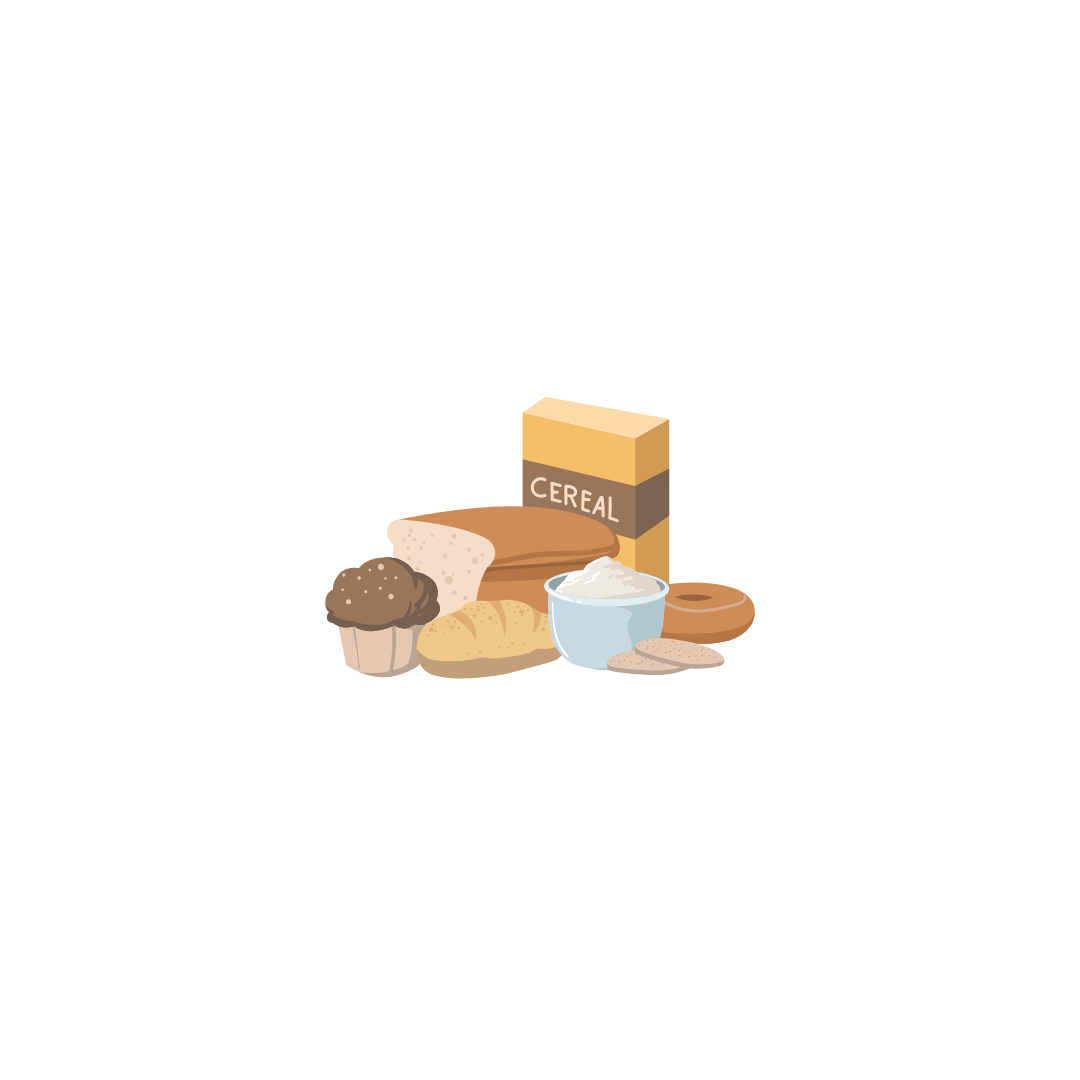
    • Variety means consuming foods from all food groups as well as the foods within those food groups to ensure that you’re getting all the nutrients you need.
    • Individual foods are single foods that have nutritional benefits such as oats or olive oil. The reason this is last on the pyramid is that these single foods don’t matter if you’re not eating adequately, getting balance, or getting variety.

What to consider when starting gentle nutrition


  • What motivates your food choices: Is it the nutritional value? The taste of food? How you physically feel after eating the food? Or do you take into consideration all of these aspects of food?
  • Your relationship to playful foods: Do you still consider them to be junk food? Do you use them to cope with emotions? Do you consume them when you crave them? How much do you need to eat for you to feel good?
  • Your bodily sensations/bodily signals: Do you feel and respect your hunger and fullness?
  • Your values, the ethical, spiritual or religious principles that are important to you: This could be following a vegetarian or vegan diet because of your value of respecting animals and the environment.
  • Your health conditions: This could be following a gluten-free diet because you have coeliac disease or following a diabetic diet if you have diabetes.

Conclusion


This blog post should help you figure out whether you’re ready for gentle nutrition or not. If you find that some of these elements are hard for you to follow, you could try to go back to working on the 9 principles prior to gentle nutrition and start with the 10th principle when you’re ready. It is important to note that gentle nutrition isn’t for everyone: someone who still has the diet mentality or has an eating disorder has to work on their relationship with food first. If you need help working on the principles of intuitive eating or need help with gentle nutrition, be sure to contact our team and schedule an appointment by calling 514-437-4260 or by emailing us at info@sooma.ca.

Click here to book an appointment directly with one of our team members!

Related Posts

Scroll to Top