How to talk to your teenager about healthy eating

We must first consider the factors that play a role in eating disorder development.

There is a lot of stigma around eating disorders, such as “women being more at risk” and the idea that “it is a lifestyle choice.” By holding onto this stigma, we automatically disconnect ourselves from the reality that someone we know who doesn’t fall into these categories may actually have an eating disorder. This can then affect the treatment and support this person receives. Therefore, understanding and knowing the factors that can contribute to eating disorders and disordered eating can help you in discussing healthy eating with your teenager.

Biology


It is possible that a teenager develops an eating disorder if one of their close family members (siblings or parents) have had or have an eating disorder. Certain genes play a role in the prevalence of eating disorders that can be passed down through generations.

Mental Health Issues


Depression and anxiety are linked with eating disorders.

Environment


This includes, but is not limited to, the eating habits of a teen’s parents, friends and close surroundings and the negative effect that social media can have on today’s teenagers.

Sports / Activities


A common thought in athletes is “the thinner I am, the better I will perform”. It isn’t unusual to see athletes restrict their eating in order to obtain a specific ‘goal’ weight.

Knowing this information, we can now explore different ways you can approach your teenager on the subject of “healthy eating” without creating a preoccupation with food.

Here are some tips that can help you and your teenager truly understand the foundation of healthy eating habits:

Ask your Teen What Healthy Eating Means to Them


Is it weight related? Do they attach moral value to foods that they consider “healthy”? What would a healthy eating day look like in terms of portions, meal frequency, and food choices? This will give you a basic idea of ​​how to approach healthy eating with your teenager.

Educate your teen on the concept that all foods fit.


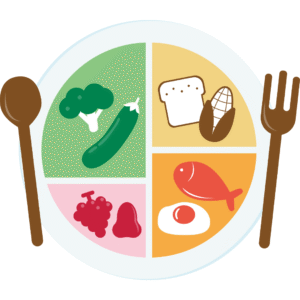
When talking about food, talk about all foods in a positive or neutral way. This means having pizza for dinner is just as healthy as having chicken and broccoli.

By avoiding “fun foods” like pizza, fries, candies, and cakes, you set your teen up to believe that these foods are “bad.” If they think these foods are bad, they will do their very best to avoid them. Think back to when your teenager was a child: what did they do when they were told they couldn’t have something? They wanted it even more! Our body knows when we are restricting (even cognitively!) and will do everything in its power to make sure it gets what it wants.


Eating regularly is essential


Encourage your teen to eat often. Inform them that going too long without eating can cause intense hunger which can then lead to binge eating. A basic rule of thumb would be to eat every 2-3 hours. A good way to implement this is to have snacks readily available. Examples would be raw vegetables with hummus or dip, fruit with nuts, or cheese with crackers. Involving them in the kitchen can also create a wonderful environment where food is loved and enjoyed rather than feared.


Try to explain that low weight is not the epitome of health.


Health can come in all shapes and sizes. Additionally, what we see on social media is not a reality for the majority of people.


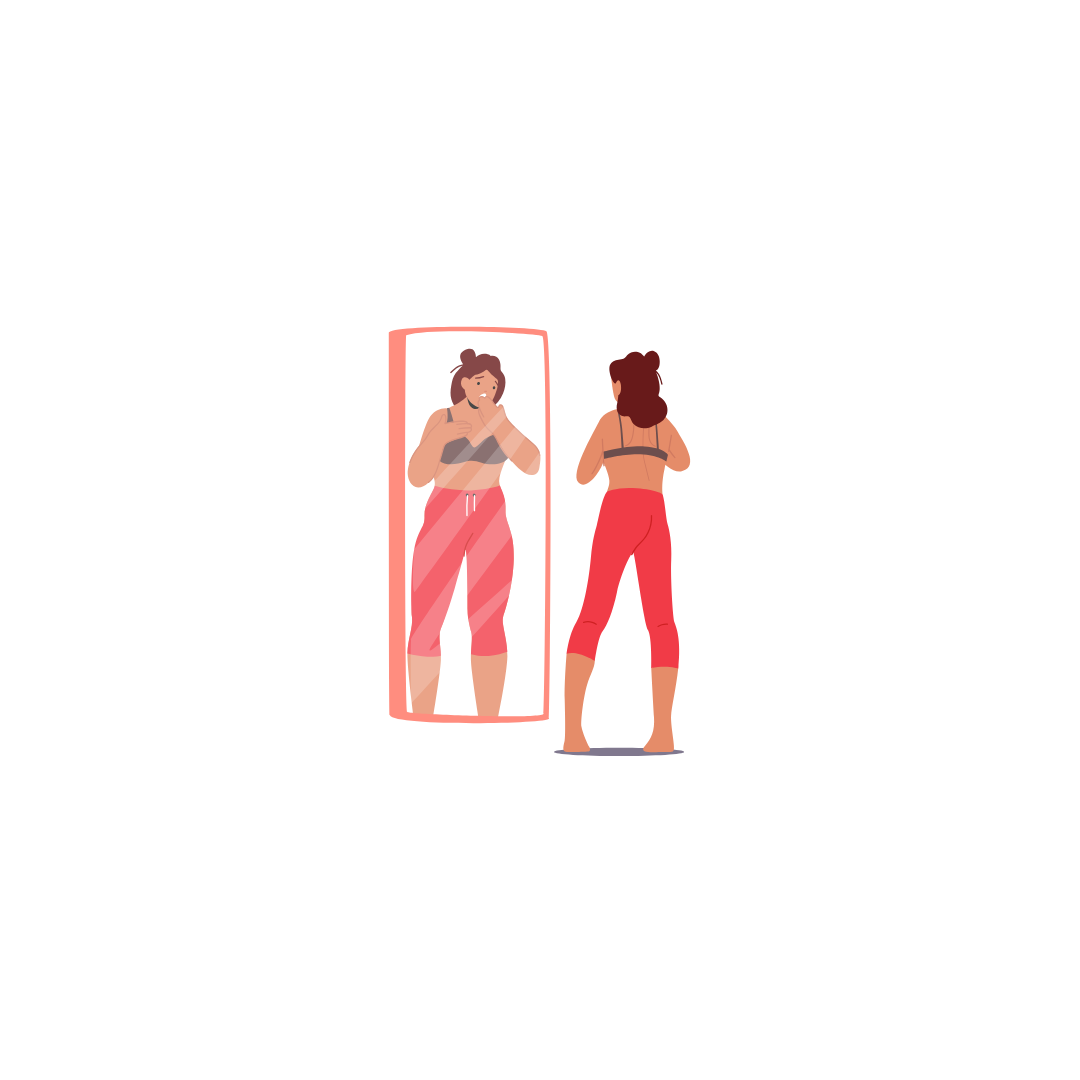
The most important tip of all: don’t talk about weight or appearance with your teen!


Remove access to scales and focus on wellness rather than weight. Even any negative comments you make about your appearance or that of someone else can trigger something in your teenager. Encourage your teen to think about how their bodies work for them from a functional standpoint so that they can take the pressure off of looking a certain way.

To ensure a healthy relationship with food, allow your teenager to choose the foods they enjoy eating without judgment. If your teenager knows that they can eat the foods they love without worrying about what others might think or say, or how they believe it can affect their weight, they have a better chance of developing an amazing relationship with both food and their bodies.

Conclusion


If you’re concerned about your teen’s eating behaviours, it’s important to get professional help in order for them to get the right treatment.

Contact us today to learn about how we can help at info@sooma.ca or 514-437-4260.

Written by

Picture of Vanessa Anoia

Vanessa Anoia

Registered Dietitian

References

  1. Lyons, L. (19 March, 2017). Genetic Factors Behind Eating Disorders. Retrieved from https://www.eatingdisorderhope.com/blog/genetic-factors-eating-disorders
  2. Mayo Clinic Staff. (10 February, 2022). Teen Eating Disorders: Tips to protect your teen. Retrieved from https://www.mayoclinic.org/healthy-lifestyle/tween-and-teen-health/in-depth/teen-eating-disorders/art-20044635
  3. Satter, E. (n.d.). Eating Competence: Putting it all together. Retrieved from https://www.ellynsatterinstitute.org/family-meals-focus/26-eating-competence-putting-it-together/

Related Posts

Scroll to Top