

A Brief Overview of Eating Disorders
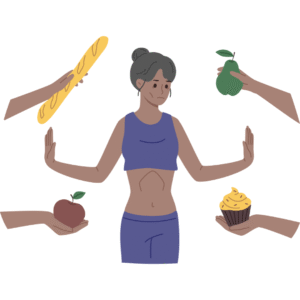
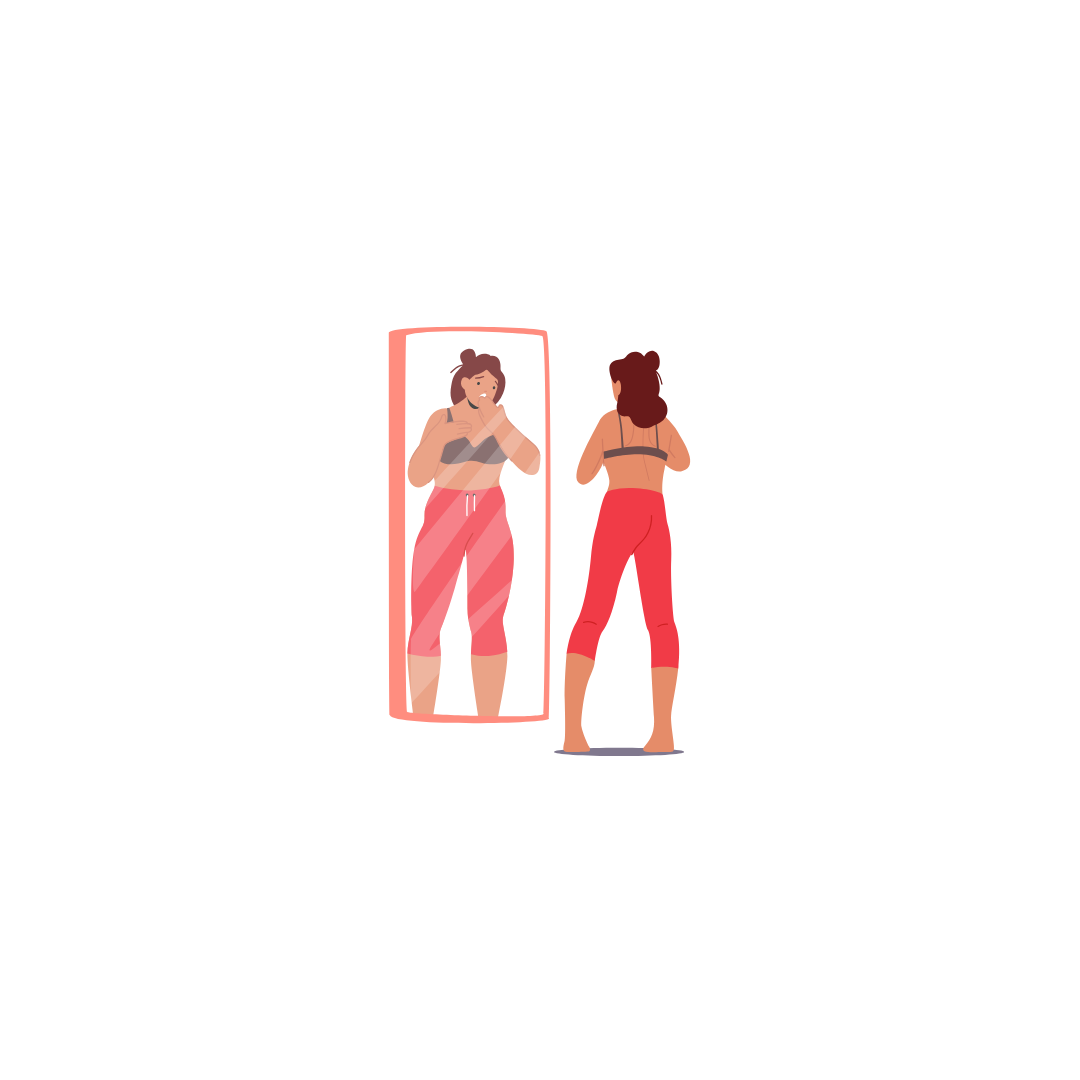
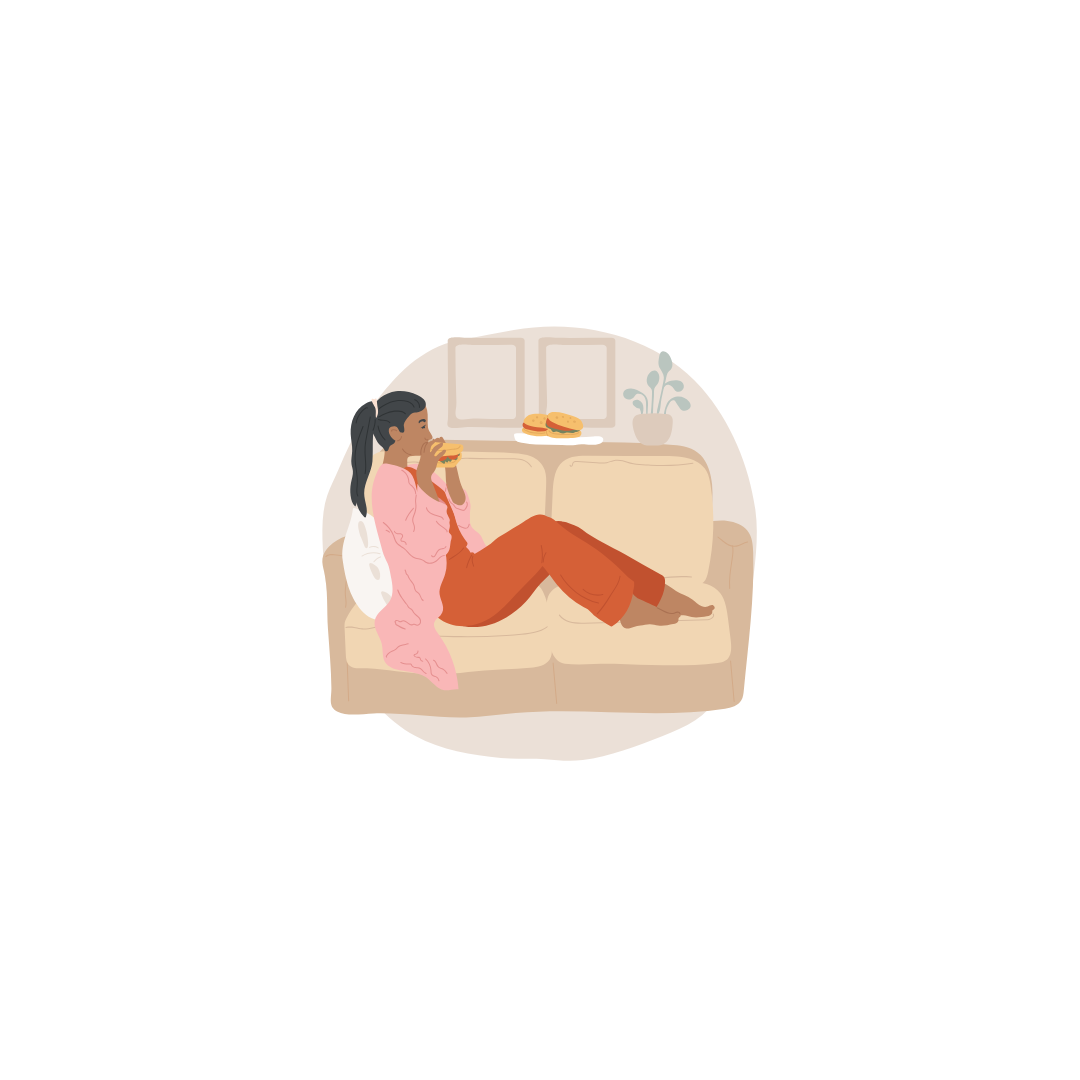
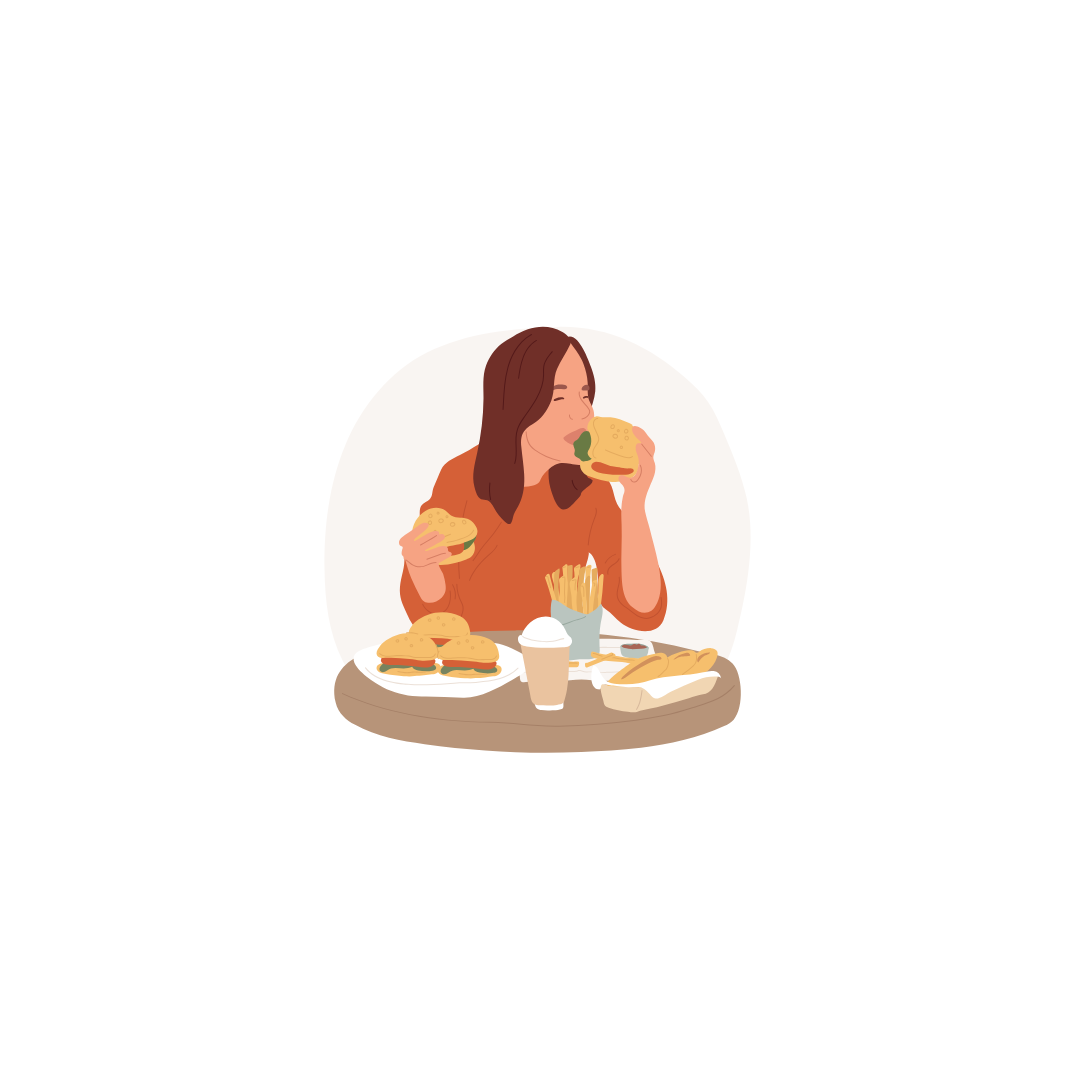
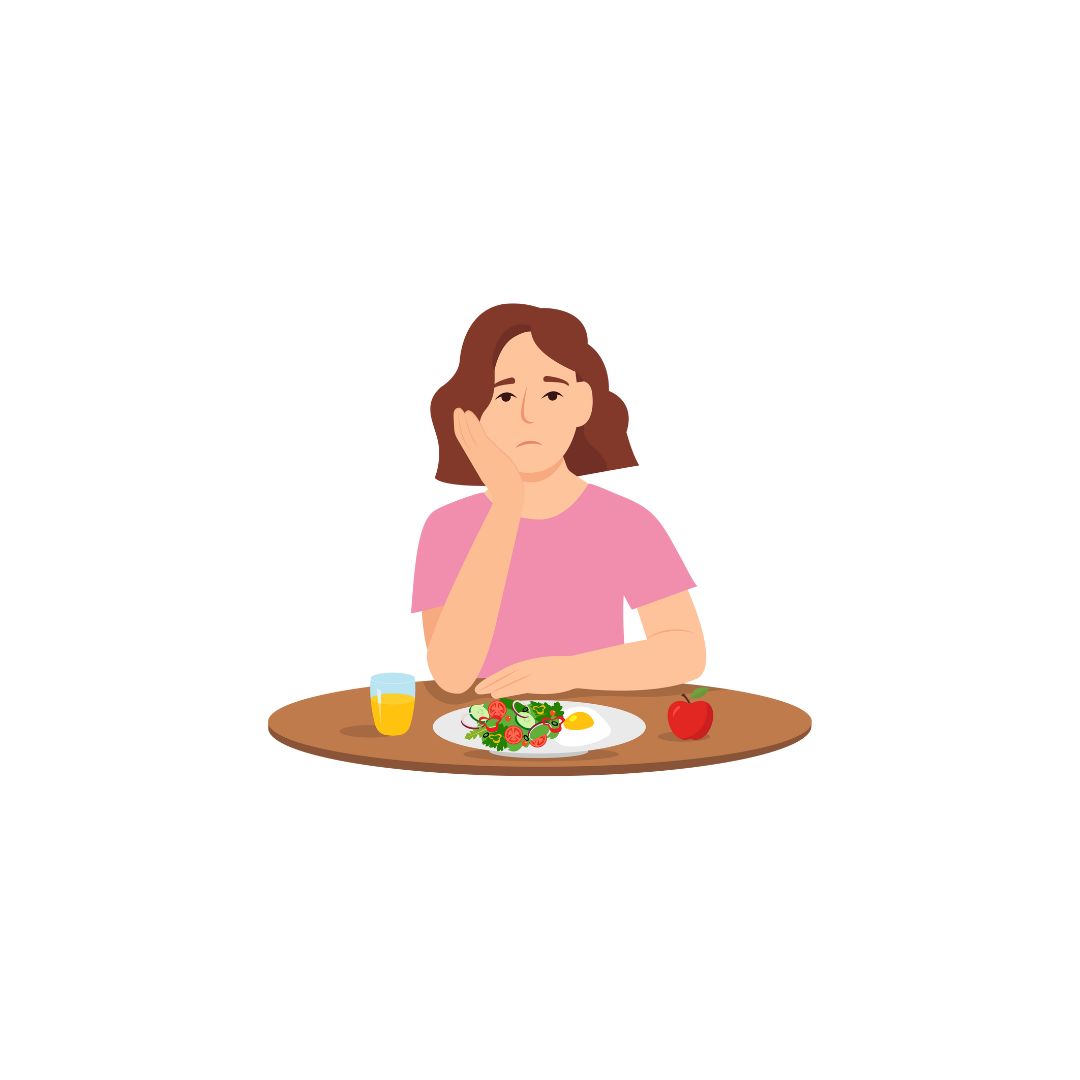
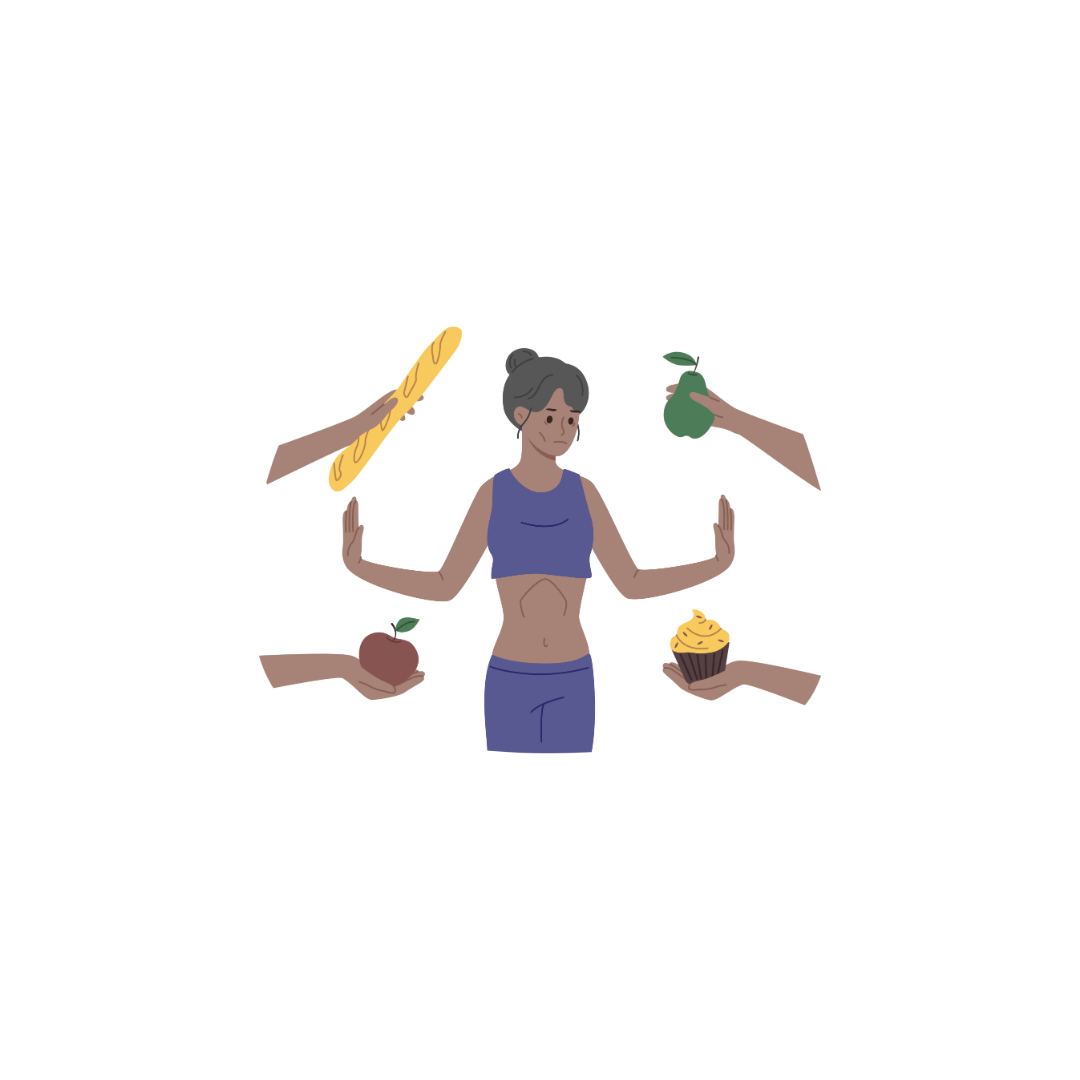
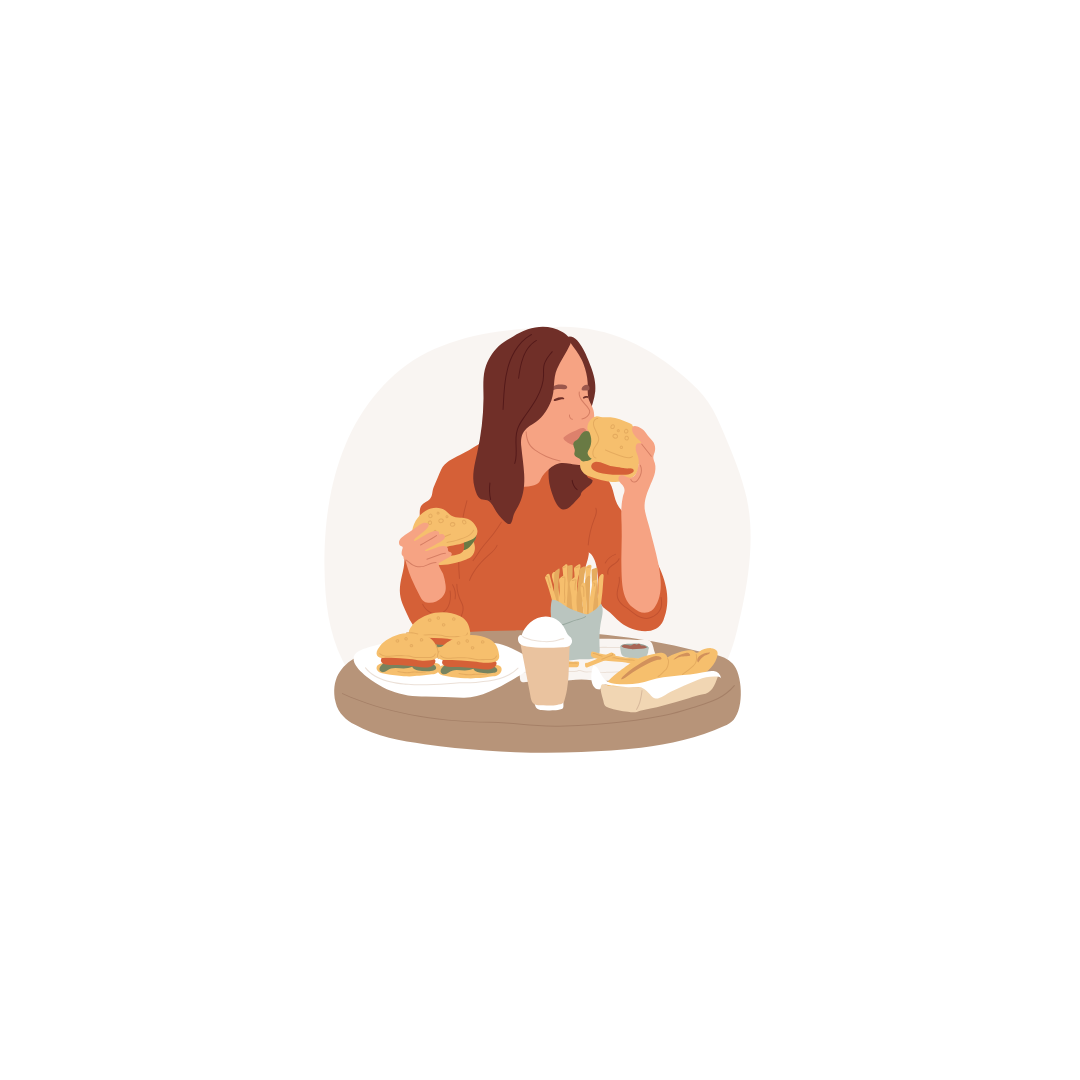
Eating disorders are mental health disorders that impact one’s physical, mental and emotional wellbeing. They result in distressing thoughts and emotions around food that cause severe and ongoing disturbances in eating behaviours (1). They can affect people of all ages, genders, shapes, sizes, sexual orientations and social, religious, ethnic and economic backgrounds (1) – all of that to say, they can affect anyone and they are not choices. EDs can develop at any time during a person’s life, though they commonly develop during adolescence and young adulthood.
There are different types of eating disorders that all have their own definitions and classification criteria, outlined by the fifth edition of the Diagnostic and Statistical Manual of Mental Disorders (DSM-5) (1). Why people develop EDs is still not fully understood; however, research suggests that a variety of factors can influence one’s risk, including genetics, environmental, psychological, and social impacts (2). It can be helpful to remember that no one thing, person or event ever causes a person’s eating disorder.