
Quick Ways to Tell If Your Child Has Disordered Eating or an Eating Disorder

As a parent or caregiver, your child’s relationship with food can be a powerful window into their emotional and mental well-being. But how can you tell the difference between typical changes in eating habits and signs of disordered eating or a more serious eating disorder? Recognizing early warning signs is key. Timely support can make all the difference. This blog outlines practical ways to identify red flags in your child’s eating behaviours - before they escalate into more serious challenges.

Why Early Detection of Disordered Eating Matters

Disordered eating and eating disorders are more common than many people realise. They can affect children of all ages, body types, genders, and cultural backgrounds. When left unaddressed, these behaviours can take a toll on physical health, emotional wellness, academic performance, and social connections.

Being informed and alert empowers you to act early, offer compassionate support, and connect your child with the care they need.

What Is Disordered Eating?

Disordered eating refers to a range of irregular eating behaviours that may not meet the full criteria for a diagnosed eating disorder but are still concerning. These behaviours can gradually intensify and may be signs of emotional distress, low self-esteem, or a need for control.

Examples of disordered eating include:

  • Skipping meals regularly
  • Labelling foods as “good” or “bad”
  • Obsessive focus on portion sizes, calories, or food rules
  • Exercising excessively to “make up for eating”
  • Feeling guilt or shame after meals

Over time, these behaviours can evolve into clinical eating disorders such as anorexia nervosa, bulimia nervosa, binge eating disorder, or avoidant/restrictive food intake disorder (ARFID).

Key Signs Your Child May Be Struggling With Disordered Eating


1. Noticeable Changes in Eating Habits

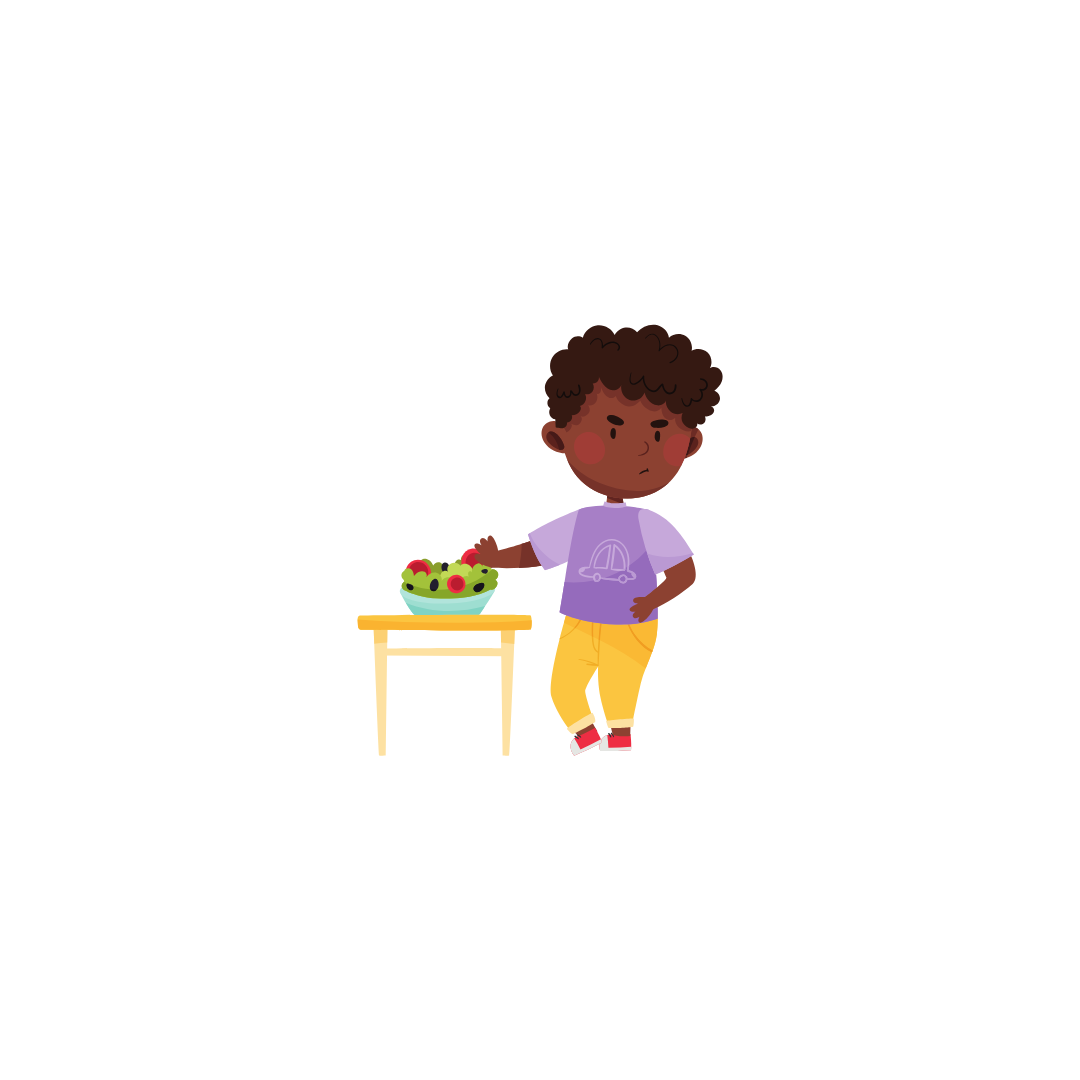
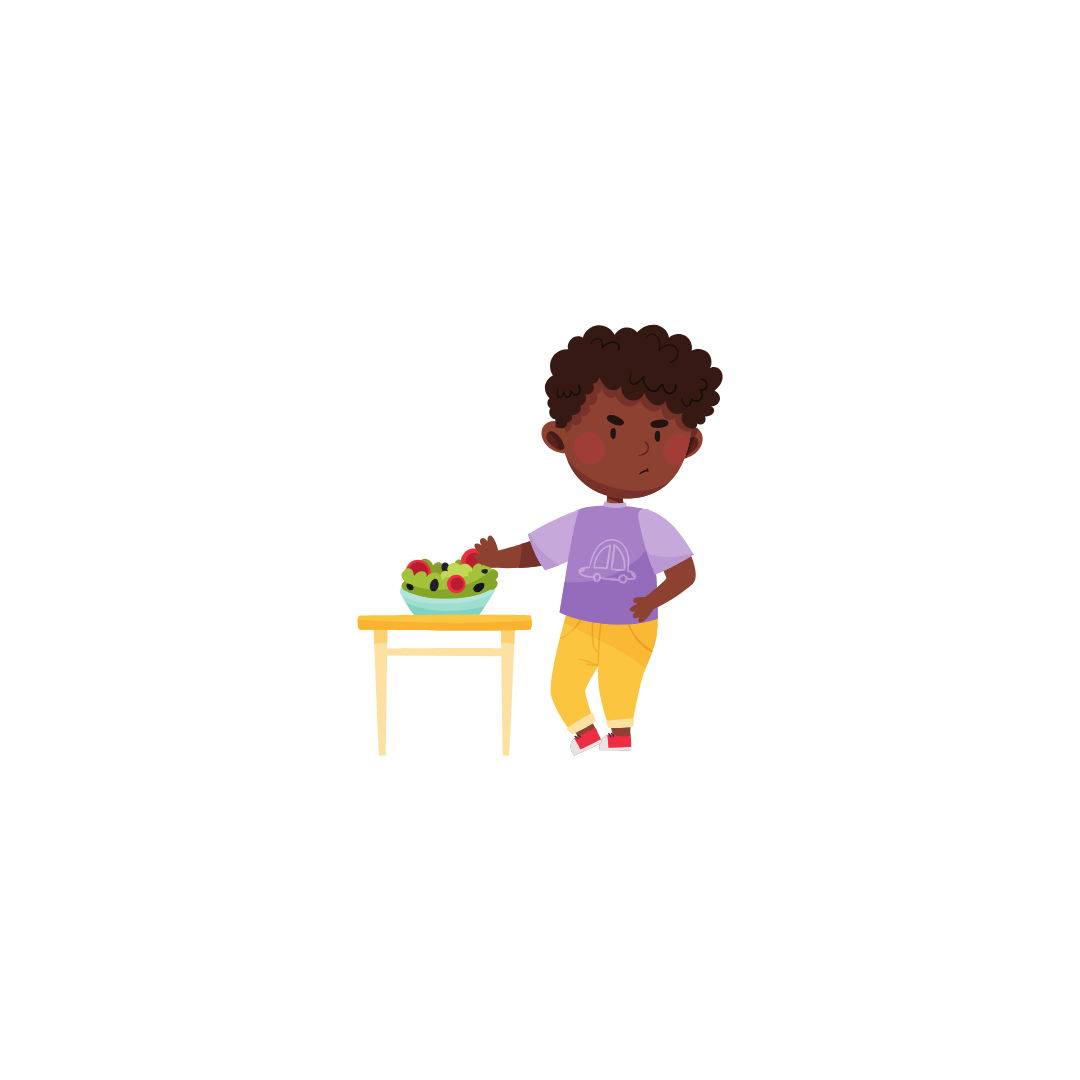
Has your child suddenly begun eating significantly more or less than usual? Are they avoiding meals, claiming they’re “not hungry,” or becoming overly selective with their food choices?

Watch for behaviours such as:

  • Avoiding family meals
  • Following strict food rituals (cutting food into small pieces, eating foods in a specific order, etc.)
  • Becoming rigid or anxious about food routines


Such shifts in behaviour may indicate a deeper emotional struggle related to food.

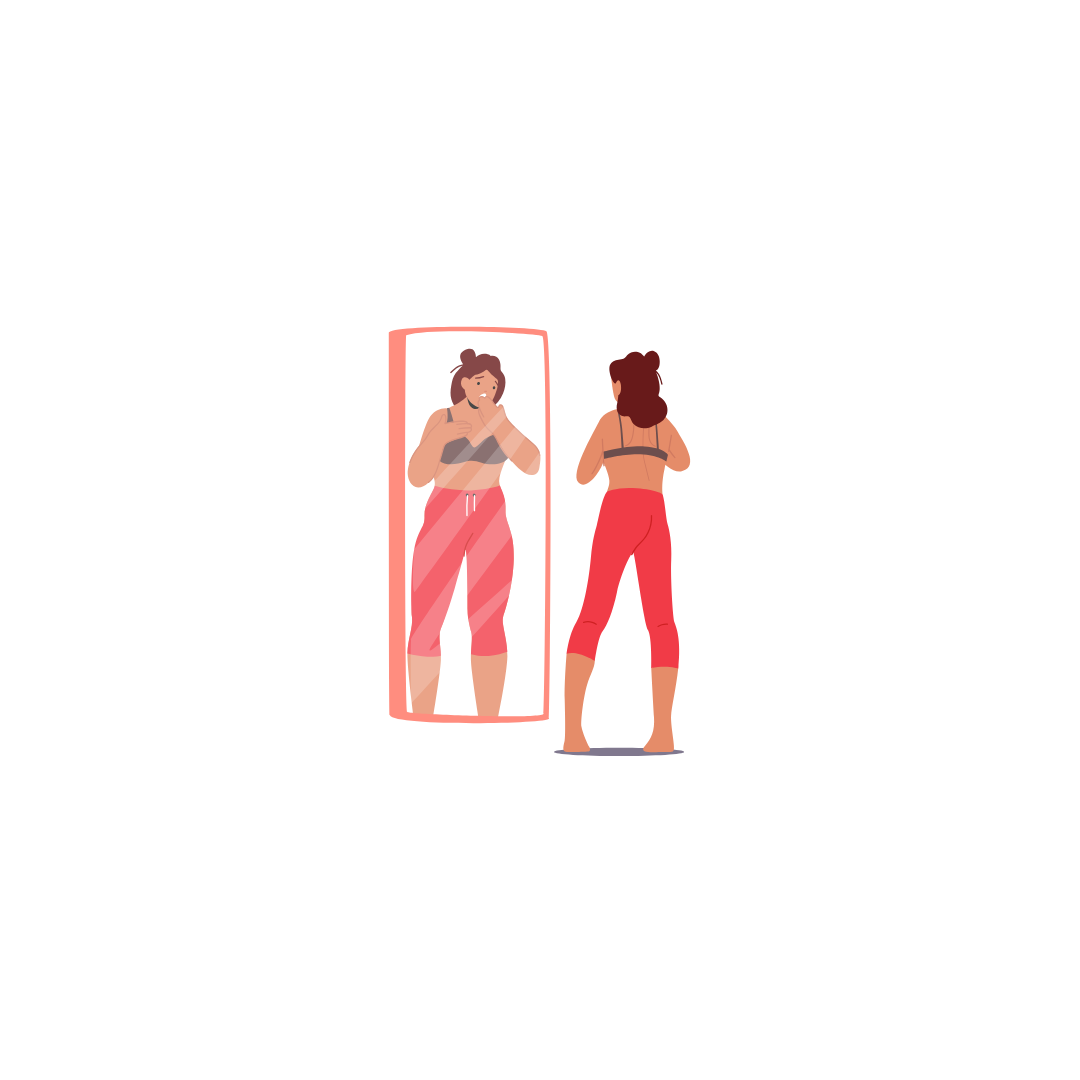
2. Preoccupation With Food, Body Image, or Appearance

If your child is frequently talking about their body shape, clothing size, or appearance – or constantly comparing themselves to others – it could be a sign of internalised pressure or self-doubt.

Other warning signs include:

  • Avoiding mirrors or obsessively checking their appearance
  • Changing how they dress (e.g., wearing oversized clothing to hide their body)
  • Judging others based on appearance


Even if they don’t explicitly express it, their actions may signal distress related to self-image.

3. Mood Changes or Withdrawing From Social Activities

Disordered eating often reflects emotional distress. If your child has become withdrawn, moody, or less interested in things they used to enjoy, their eating behaviours may be part of a broader issue.

Pay attention if your child is:

  • Isolating themselves during or after meals
  • Becoming secretive or defensive when asked about their eating
  • Expressing feelings of worthlessness, anxiety, or sadness

Their relationship with food may be one way they’re coping with stress or emotions they don’t know how to express.

4. Physical Symptoms or Decreased Energy

Eating disruptions can affect the body in noticeable ways. You may observe:

  • Constant fatigue, even with adequate rest
  • Frequent stomach complaints or nausea
  • Difficulty concentrating at school
  • Dry skin, brittle nails, or hair thinning


If your child appears physically run-down without a clear explanation, their eating habits might be contributing.

5. Frequent Bathroom Use After Meals

One of the more concerning signs is consistent bathroom use immediately following meals. This could be a sign of purging behaviours such as vomiting or laxative misuse – especially if combined with secrecy or stress around food.

This pattern is often seen in conditions such as bulimia and should be addressed immediately with the help of a professional.

Key Signs Your Child May Be Struggling With an Eating Disorder


It can be difficult to distinguish between disordered eating and a clinical eating disorder, but here are some signs that suggest a more serious condition may be present:

  • Extreme rigidity or fear around food choices or eating situations
  • Rapid or noticeable changes in weight, growth patterns, or energy levels
  • Irregular or halted menstrual cycles – this can be a key indicator that your child’s body is not getting enough energy to support normal hormonal function
  • Frequent body-checking or intense dissatisfaction with their appearance
  • Avoiding eating in front of others or eating in secret
  • Obsessive focus on food, numbers (calories, servings), or exercise
  • Physical signs like dizziness, fainting, and feeling cold often
  • Emotional distress tied to food, such as anxiety, anger, or panic when mealtime routines are disrupted

If these behaviours are becoming more severe or consistent, it’s time to seek professional support. Early intervention can improve outcomes and prevent longer-term health and emotional complications.

How to Approach Your Child If You're Concerned

Use Curiosity, Not Criticism

Approach your child from a place of care, not confrontation. Try gentle, open-ended questions like:

  • “I’ve noticed you’ve been skipping breakfast lately – how are you feeling in the mornings?”
  • “You seem a little preoccupied during meals – anything you want to talk about?”

Avoid focusing on weight, appearance, or food quantity. Instead, focus on how they’re feeling emotionally and reassure them that you’re here to support, not judge.

Reframe the Conversation Around Food

Avoid using terms that frame food as “good” or “bad.” Instead, talk about food in terms of how it helps them grow, think, play, and focus. Reinforce that food is not something to fear – it’s part of caring for themselves.

When Should You Seek Help?

Even if you’re unsure whether the issue is “serious,” it’s always okay to seek guidance. In fact, early support can prevent long-term complications and help your child rebuild a balanced relationship with food and their body.

You’re not alone – and you don’t have to figure this out by yourself.

📞 Schedule a Discovery Call to connect with our specialists and learn what steps to take next.


What If You’re Still Not Sure?

It’s completely normal to question whether you’re overreacting. But trust your instincts – if something feels “off,” it probably is.

Ask yourself:

  • Are these behaviours becoming more frequent?
  • Is my child avoiding meals or lying about eating?
  • Do they express guilt, shame, or anxiety around food?


If the answer is yes to any of these, it’s worth having a conversation and considering professional support.

📨 Contact Our Clinic for confidential help and answers to your questions.

How to Support a Positive Relationship With Food at Home

Creating a supportive environment around food and body image can help prevent disordered eating patterns from taking root.

1. Create Calm, Enjoyable Mealtimes

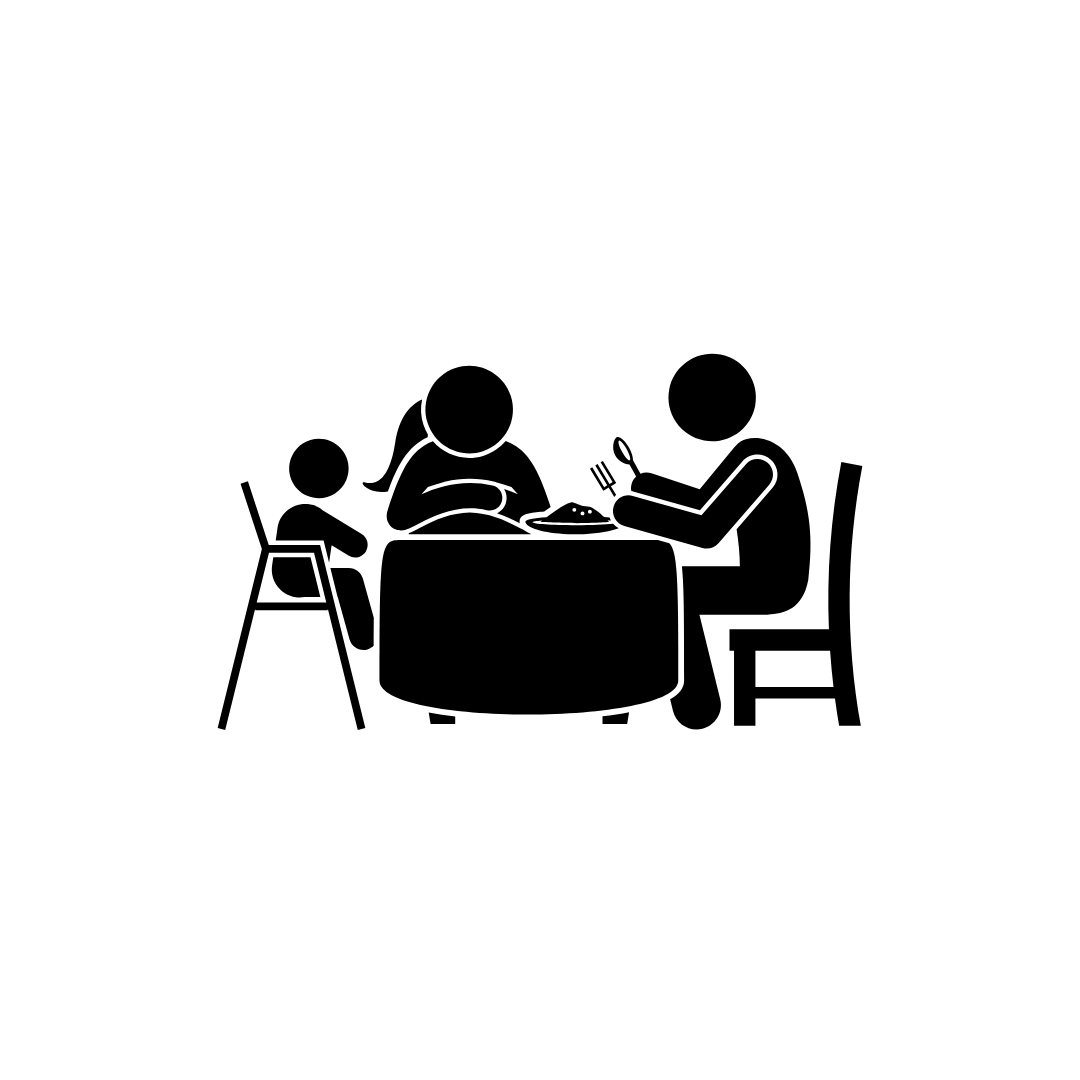
Try to maintain consistent, low-pressure family meals. Turn off screens and use the time to reconnect, without focusing on what or how much anyone is eating.

2. Model a Respectful Approach to Food

Children often absorb their caregivers’ behaviours. Avoid speaking negatively about your own eating habits, body size, or food choices. Let them see you enjoying a range of foods without guilt or overanalysis.

3. Normalize a Range of Emotions

Help your child build emotional literacy by encouraging them to name and share their feelings. When children feel safe expressing themselves, they’re less likely to turn to food as a coping tool.

4. Celebrate Body Diversity

Make it clear that people come in all shapes and sizes – and that each body is valuable. Celebrate what bodies can do, not how they look. Affirm your child’s worth beyond their appearance.

Final Thoughts

Your awareness and concern are powerful. If you’ve noticed changes in your child’s eating habits, mood, or self-image, don’t wait for things to get worse. Early support can help your child feel safe, seen, and understood.

And remember: there’s no shame in seeking help. You’re not alone on this journey – and support is just a call or click away.

Whether you’re looking for early guidance or ready to explore treatment options, our team is here to support you and your family. You can contact us at 514-437-4260 or by email at info@sooma.ca. You can also book an appointment directly by using this link.

Written by

Picture of Justine Chriqui

Justine Chriqui

Registered Dietitian

Related Posts

Scroll to Top