
Compulsive exercise, also known as exercise addiction, is when an individual exercises excessively, regardless of injury, weather, illness and at the expense of spending time with friends or loved ones (1). Those who exercise compulsively may engage in physical activity despite being ill, injured or exhausted. There is often a craving for physical training and an inability to skip a workout.
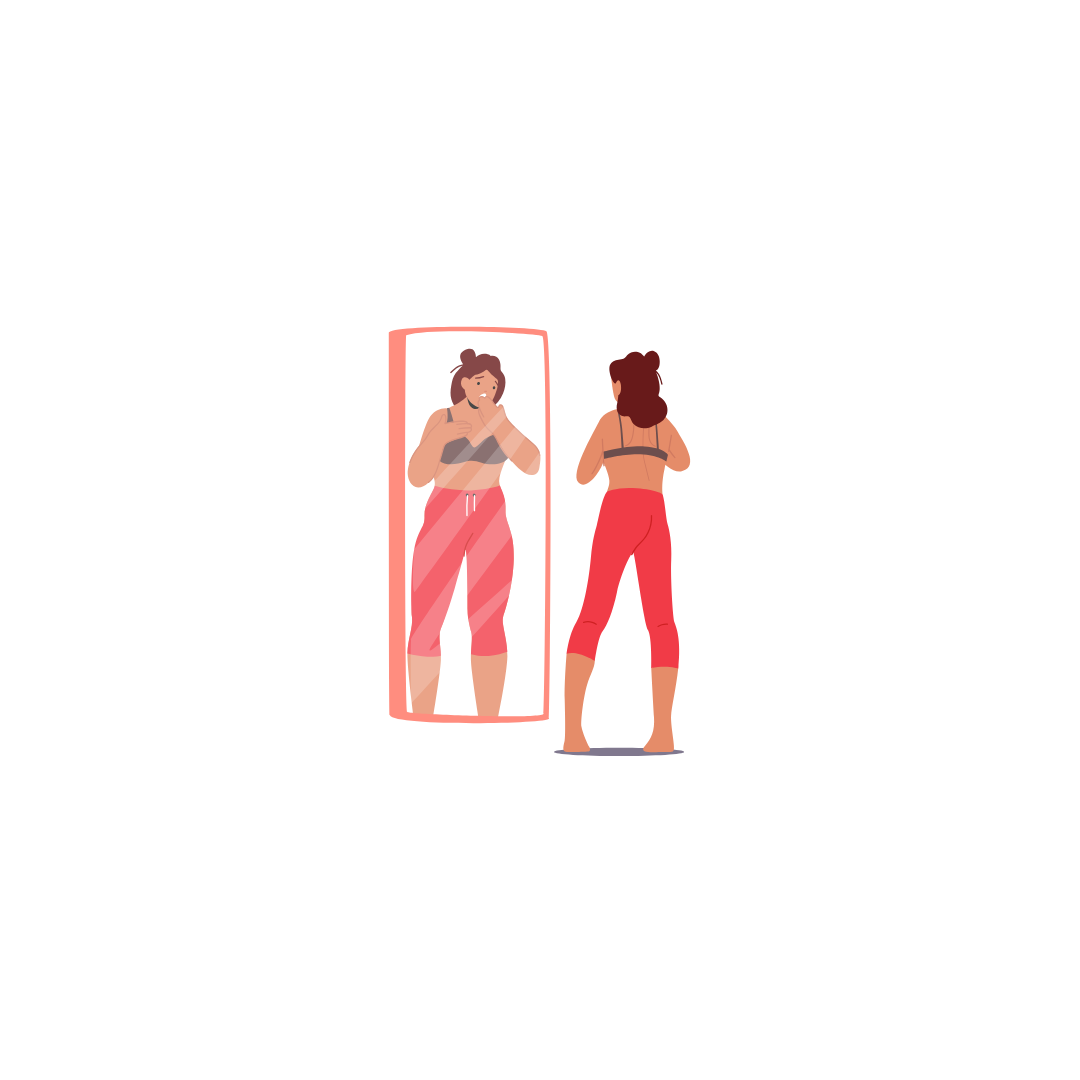
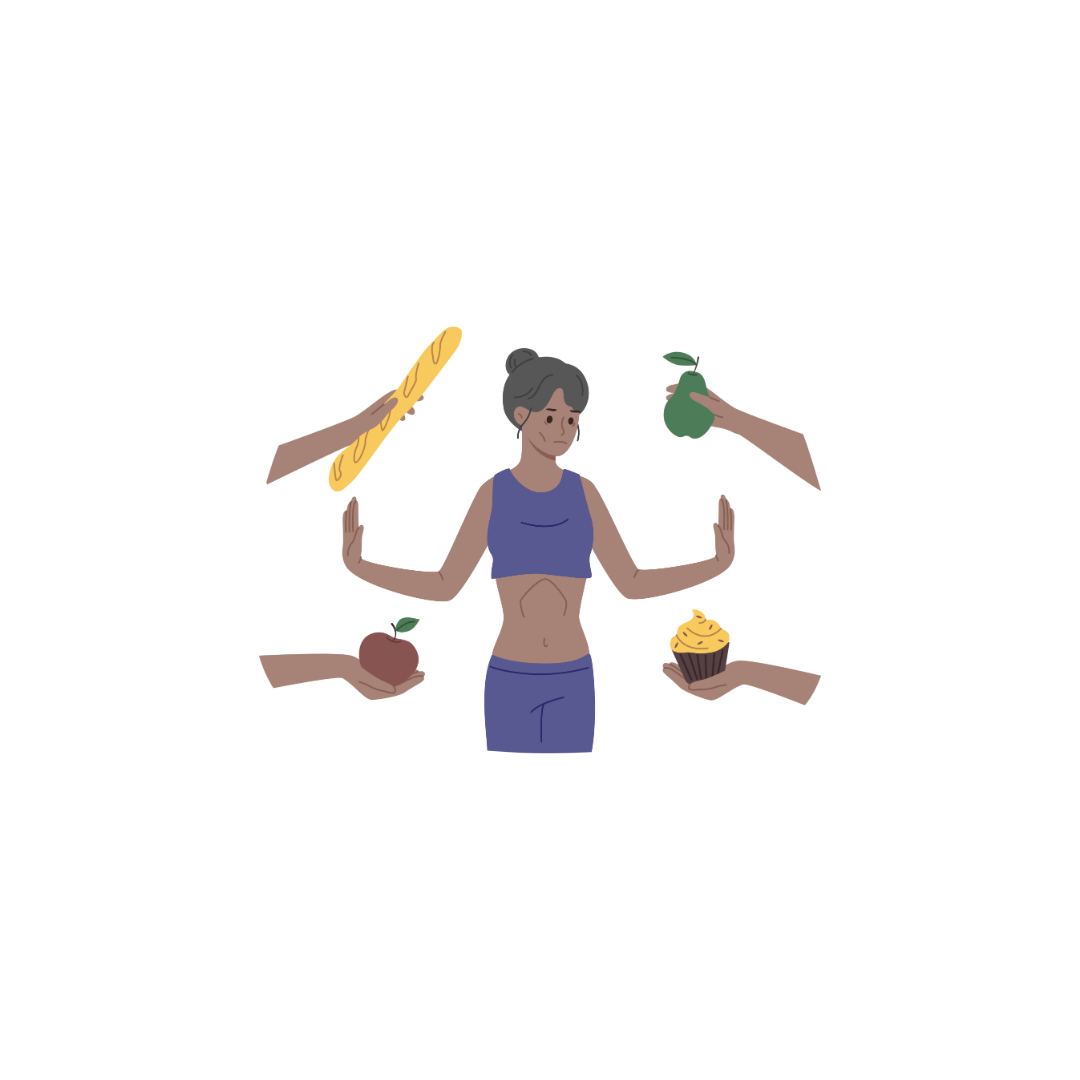
Those who develop a difficult relationship with food, or disordered eating, are more likely to engage in compulsive exercise. They may see exercise as a way to compensate for eating “bad” foods or for eating “too much”. The desire to achieve a certain appearance, modify or control one’s body weight, size or shape can initiate or further push an individual to develop disordered eating and/or compulsive exercising.
Disordered eating can involve some form of food restriction. This can cause those that are engaging in regular exercise to be under-fueled. Being undernourished can make it extremely difficult to sustain regular exercise and further puts individuals at risk of physical, social and mental consequences. These can include illness, injury, loss of menstruation, social isolation, depression and anxiety (2).
So, how can this show up in one’s life? What are some signs and symptoms that help identify compulsive exercise behaviours?