Eating disorders develop in adolescents and adults, but also develop in children below 12 years old! Children are naturally intuitive eaters, meaning they follow their hunger and fullness cues and choose the food that is available to them, without any nutritional knowledge influencing their decision. That is before they start getting external influences that affect their way of thinking about food. They can find it enticing to adopt new ways that appear exciting and ‘’better’’ than how they had learned to eat at home. This new way of eating has many impacts on the child’s development and so, a rapid detection of this problem is crucial. These new behaviors may be noticeable through, among many others, the following 5 signs:
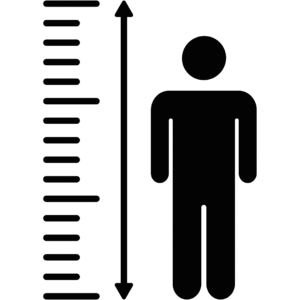
1- Lack of growth in height
Â
This sign shows that the child is severely lacking energy and nutrients, which impair his/her weight gain, but also his/her growth in height. Nutrition is especially important in youth for their physical and mental development to become adults. When caught early, this impaired height can be reversed with adequate nutrition. Having regular visits at the pediatrician is helpful to determine if the child is following his/her growth curves, outlining quickly that there is a problem.

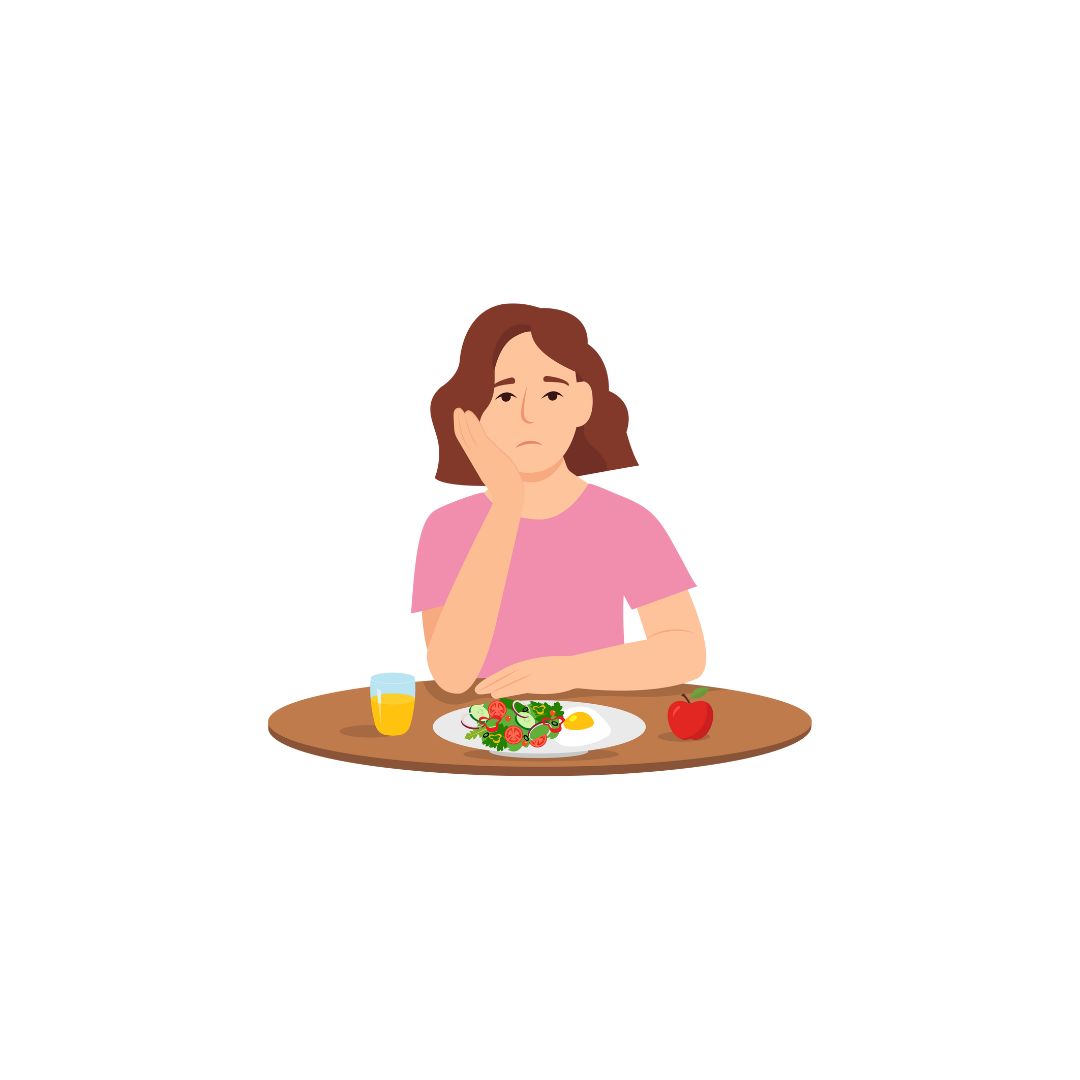
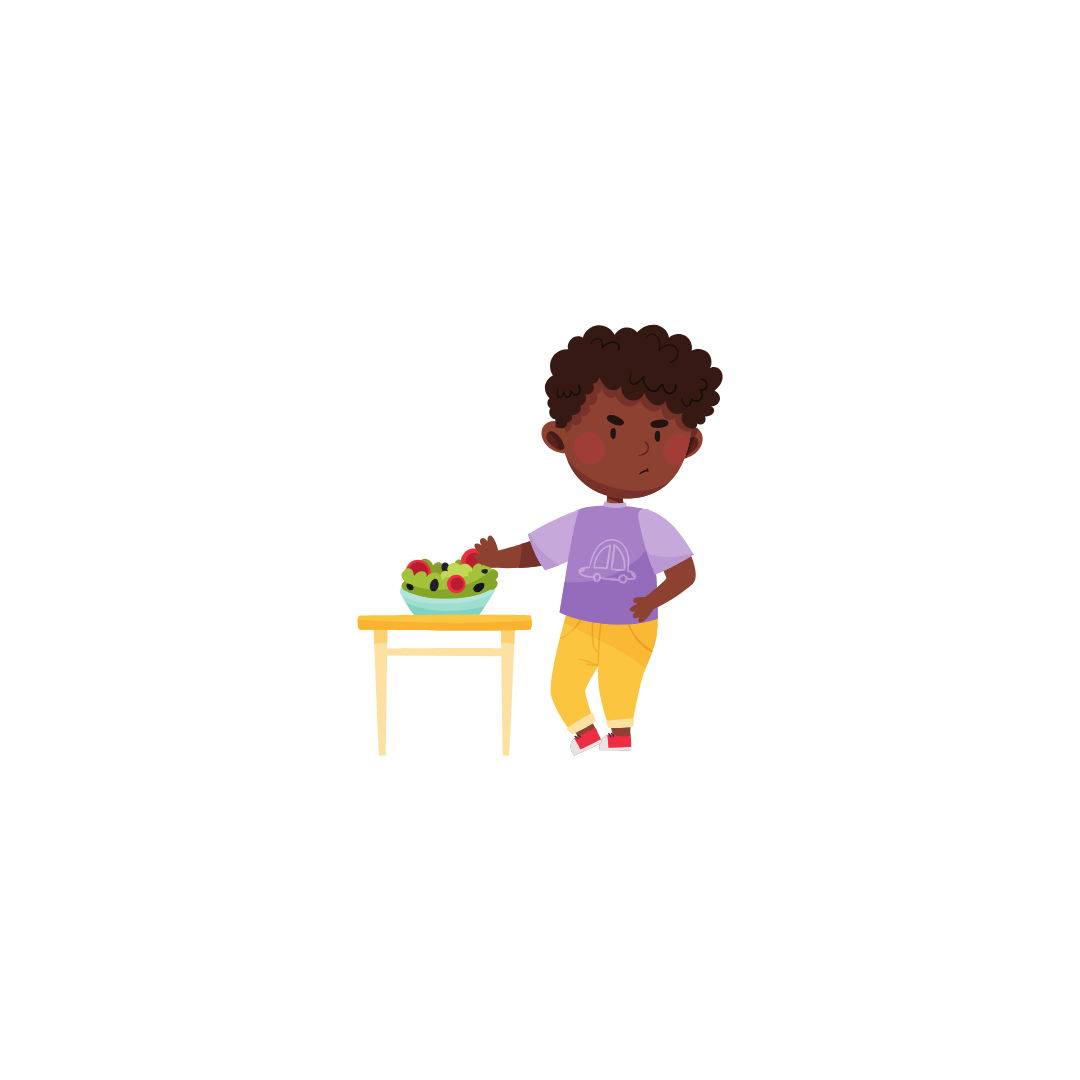
2- More and more restrictive eating patterns (e.g., adopting a new diet, progressively cutting out foods or food groups from their diet)
Â
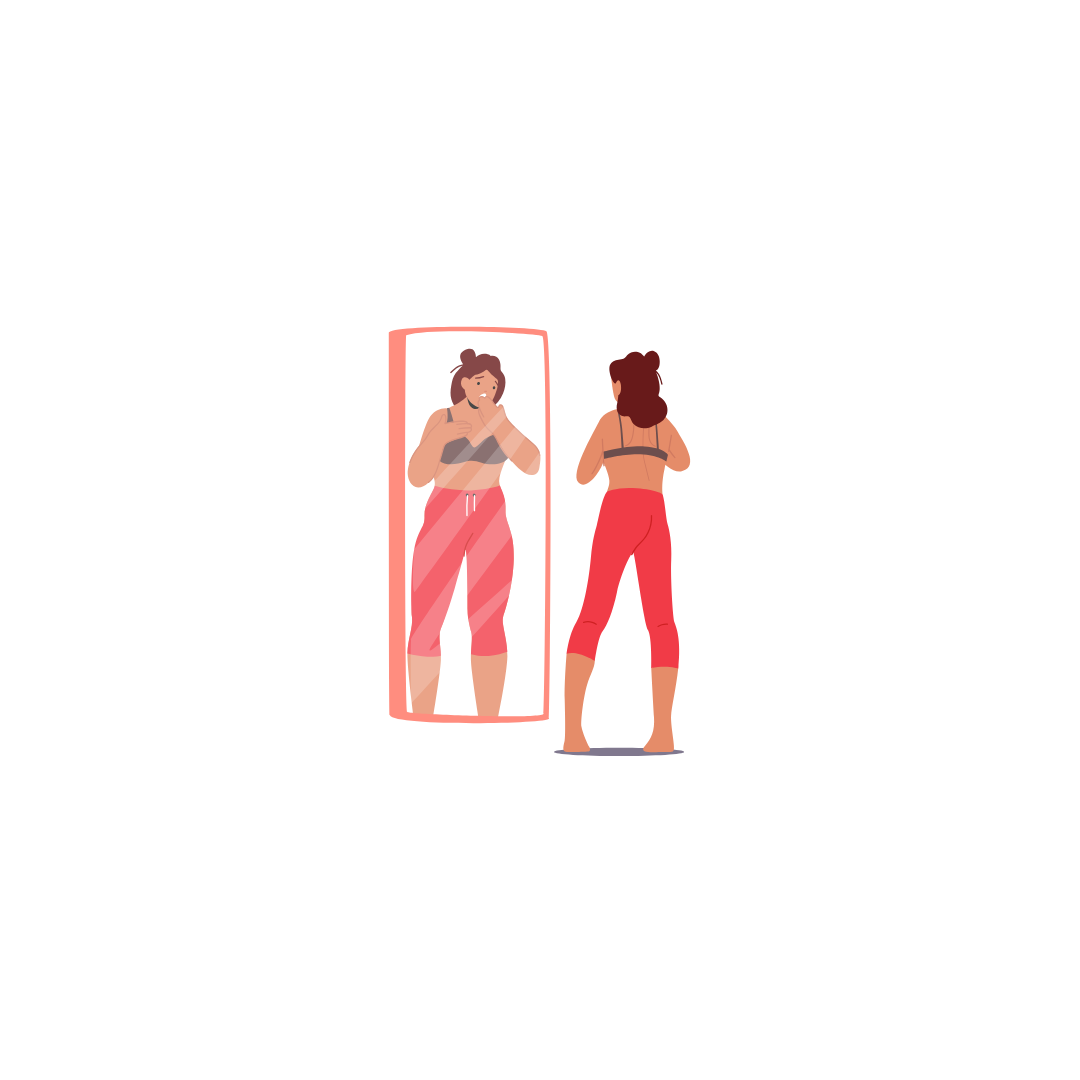
Children learn quickly that society associates a thin body as the way to live a happy and healthy life. We know that physical appearance has nothing to do with our happiness or health levels (If you want to read more about this, you can read Diet Culture Part 2 ). But for children, as they are asking themselves questions about their body image, they may start to find information about the need to pursue weight loss. This may lead to adopting different eating habits like adopting a new diet, progressively cutting out foods or food groups, in an attempt to modify their body shape and size.
Â
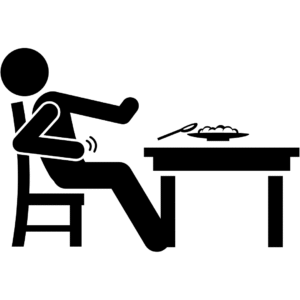
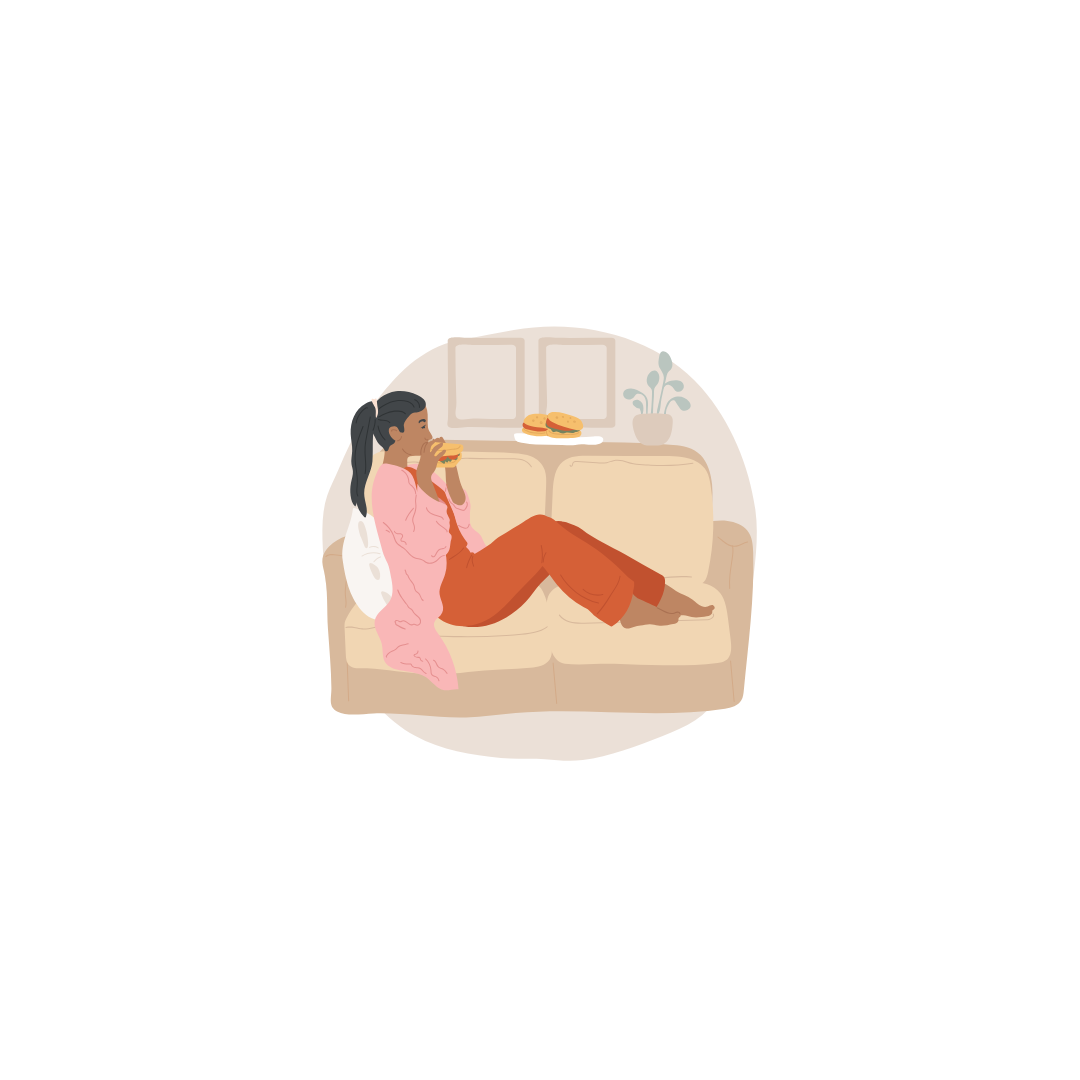
With restriction comes inevitable excessive eating. Our bodies dislike it when we don’t listen to our hunger signals, which are our body’s way to ask for energy from food, to enable it to go about its day. In an attempt to get us to eat, these signals may be stronger and when we finally get access to food, we eat past our level of physical comfort. The excessive food consumption can lead to physical pain as well as strong uncomfortable emotions (e.g., guilt, shame). Children are not immune to this phenomenon. Eating to the point of discomfort can translate into the child attempting to deal with different uncomfortable emotions that he/she is experiencing by trying to comfort themselves with food. Noticing that this situation is happening may be a red flag.
4- Disappearing to the bathroom after meals
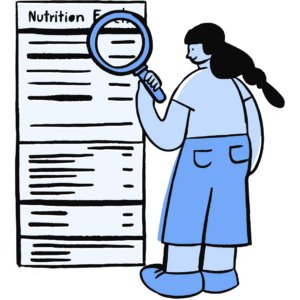
5- New or increased interests related to nutrition
(eg. interest in grocery shopping, cooking, diet books, cooking or weight loss shows…)
Having an increased interest in nutrition can sometimes be a positive thing, especially in the case of family activities, such as helping in cooking meals (such as preparing foods) or baking sweets together and having the child participate in the process.Â
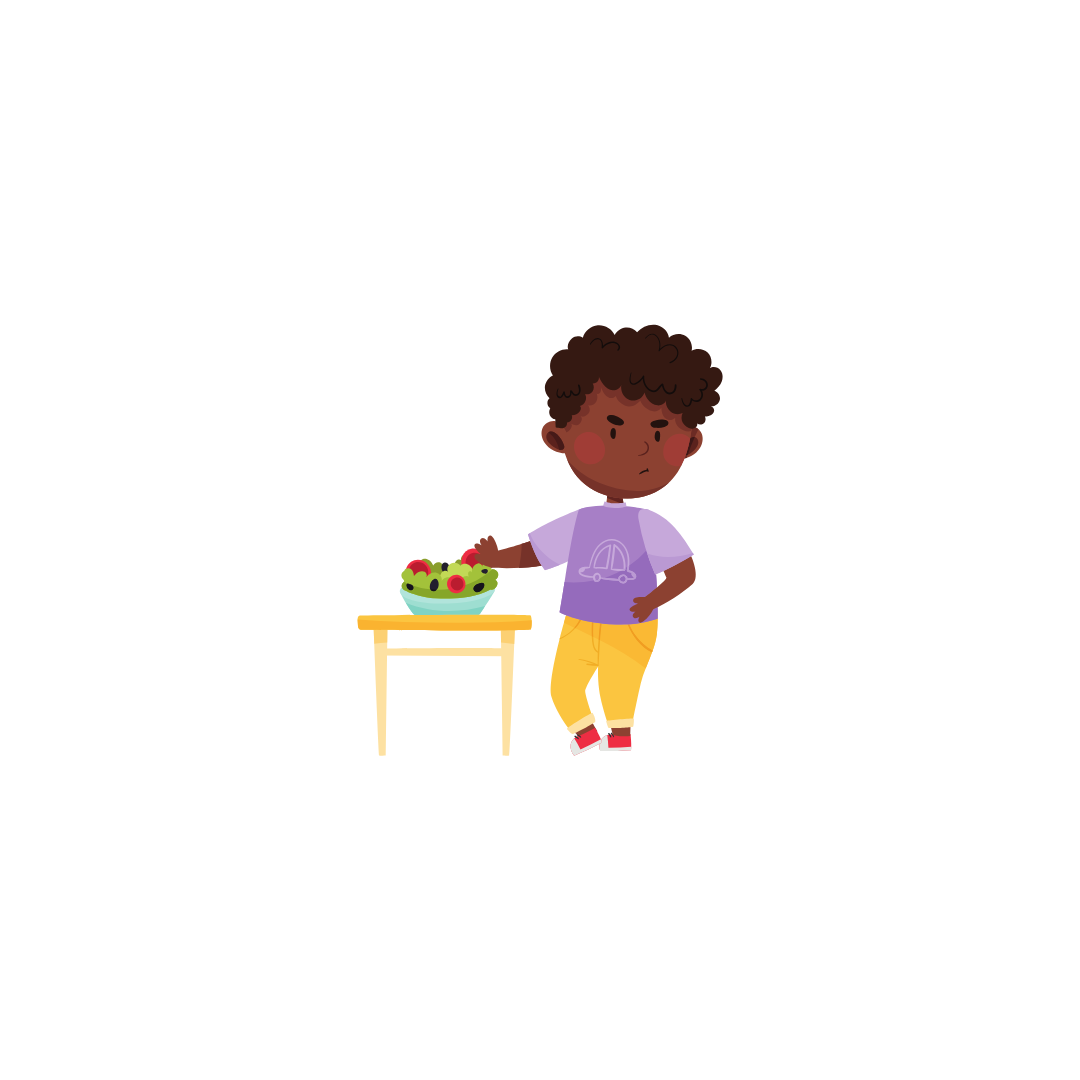
That being said, there are times when a child may be exposed to problematic sources of nutrition information that may have harmful effects on them. Social media, TV shows and magazines tend to portray health through the need for weight loss. Children should avoid looking at these sources of information to guide their choices regarding food, as they need to gain weight in order to continue their growth and development and follow their unique growth curve. You may notice that your child’s increased interest in nutrition leads to disagreements in the kitchen as your child starts to take over control of their food intake. Initially, it is done with good intentions, but it can quickly become troublesome, where no parental control is tolerated from the child regarding food. You may also notice an increased interest in baking or food preparation, but the child may not engage in eating the food that they prepare.Â
Conclusion
Â
These are only a few signs, but many more exist. Children are vulnerable to social pressure and misinformation as they are continuously learning about the world and about themselves. They are increasing their stress load (usually through school) and they may not know how to express what they are experiencing emotionally.Â
Â
Because of the resilience of the human mind, children start discovering ways to cope with emotions and stress and those that are vulnerable to eating disorders, may discover how food can bring a sense of immediate comfort. They may also fall on nutritional information that are enticing and appear to give a sense of direction and control to handling daily stressors.Â
Â
Observing with curiosity and talking with children about their lived experience can be helpful to understand what they are living and where their newfound interest in food and nutrition is coming from. As a parent, trusting your instincts about changes that don’t appear normal to you is crucial. Becoming aware of these signs is a first step. When in doubt, contact a treatment team that specializes in eating disorders or disordered eating. Typically, children have the best prognosis the earlier their eating disorder is caught. Most importantly, remember that there is no one specific cause to eating disorders and that no one is to blame.
Â
If you suspect that your child is struggling with an eating disorder, reach out to us to see how we can help at 514-437-4260 or at info@sooma.ca. You can also book an appointment directly through this link.
Written by
Ariel Comtois
Registered Dietitian
References
Â
National Eating Disorder Information Centre (n.d.) A Parents’ and Caregivers’ Guide to Supporting Youth with Eating Disorders, National Eating Disorder Information Centre.
https://bodyprideca.files.wordpress.com/2019/05/nedic-parent-resource-web-version.pdf
Bulimia Help (2012) 21 Signs Some One Has Bulimia Nervosa, Bulimia Help Webpage.