

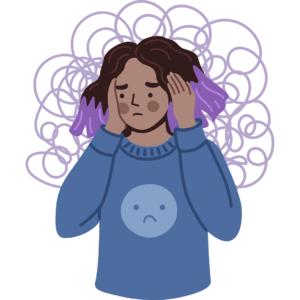
Do I Have an Eating Disorder? Understanding the Signs and Seeking Support

If you’ve ever found yourself asking, “Do I have an eating disorder?”—you’re not alone. Eating disorders are serious but treatable mental health conditions that can affect people of all ages, genders, body sizes, and backgrounds.

Often misunderstood, eating disorders go beyond food—they are deeply tied to emotions, self-worth, and coping mechanisms. Understanding the signs of eating disorders (such as Anorexia, Binge Eating Disorder and Bulimia) and knowing when to reach out for help is a critical first step toward healing.

What is an Eating Disorder?

An eating disorder is a mental health condition characterized by disordered eating behaviors, distorted thoughts about food, weight, and body image, and often, an intense fear of gaining weight. These behaviors can have severe physical, emotional, and social consequences.

The most common types of eating disorders include:

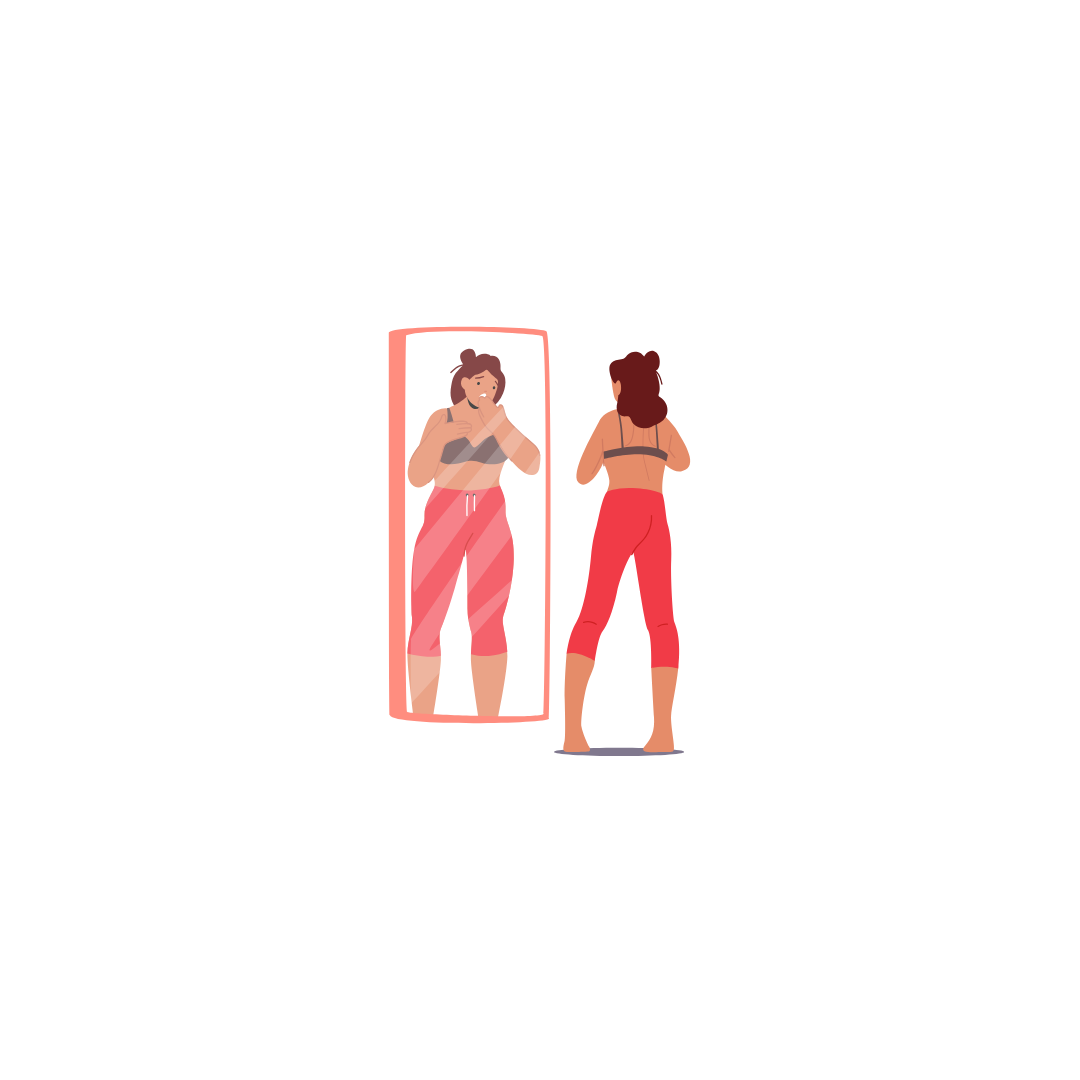
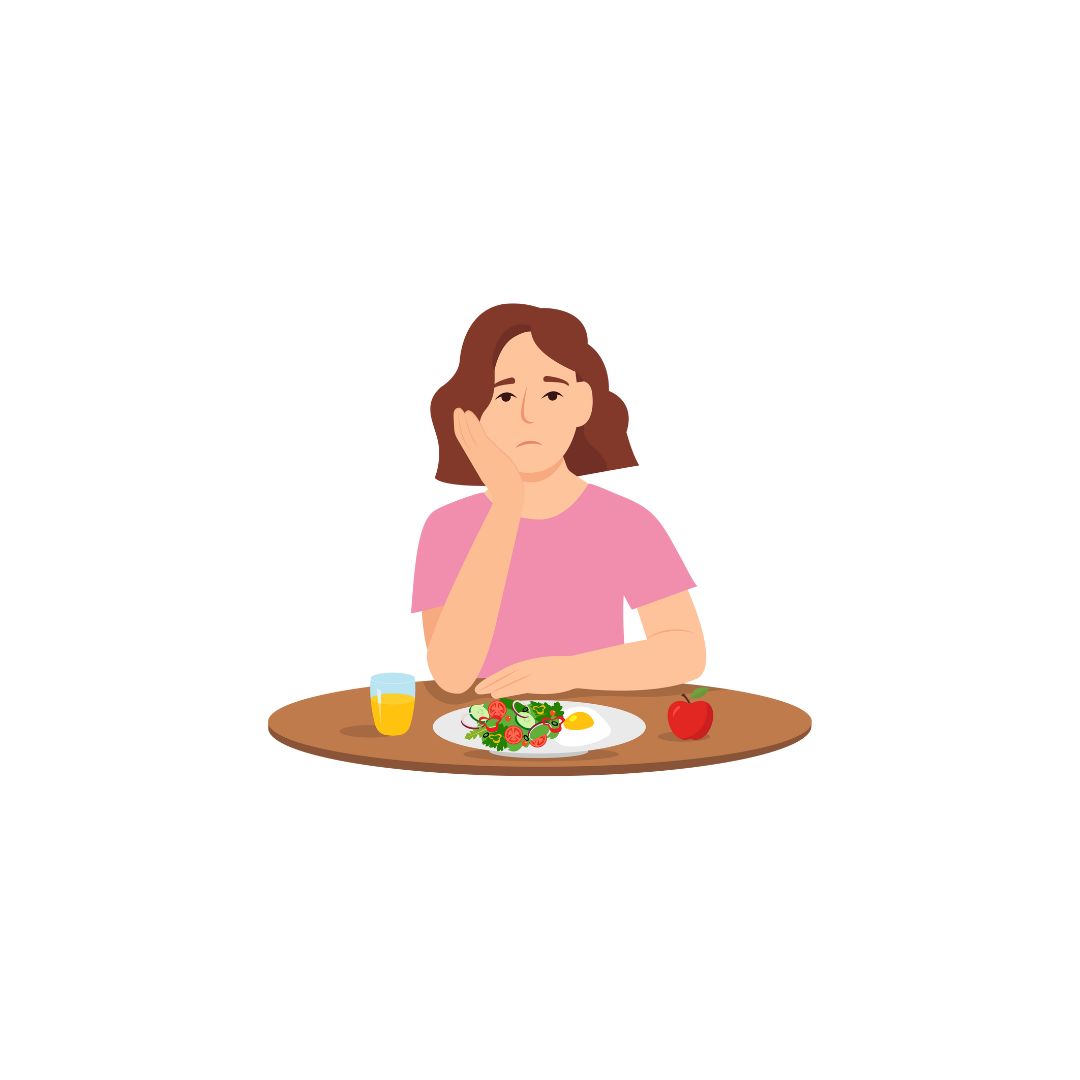
  • Anorexia Nervosa: Characterized by extreme food restriction, intense fear of gaining weight, and a distorted body image. Individuals often see themselves as too large even when dangerously underweight.

  • Bulimia Nervosa: Involves cycles of binge eating followed by purging (vomiting, laxative use, or excessive exercise) to “undo” the eating episode.

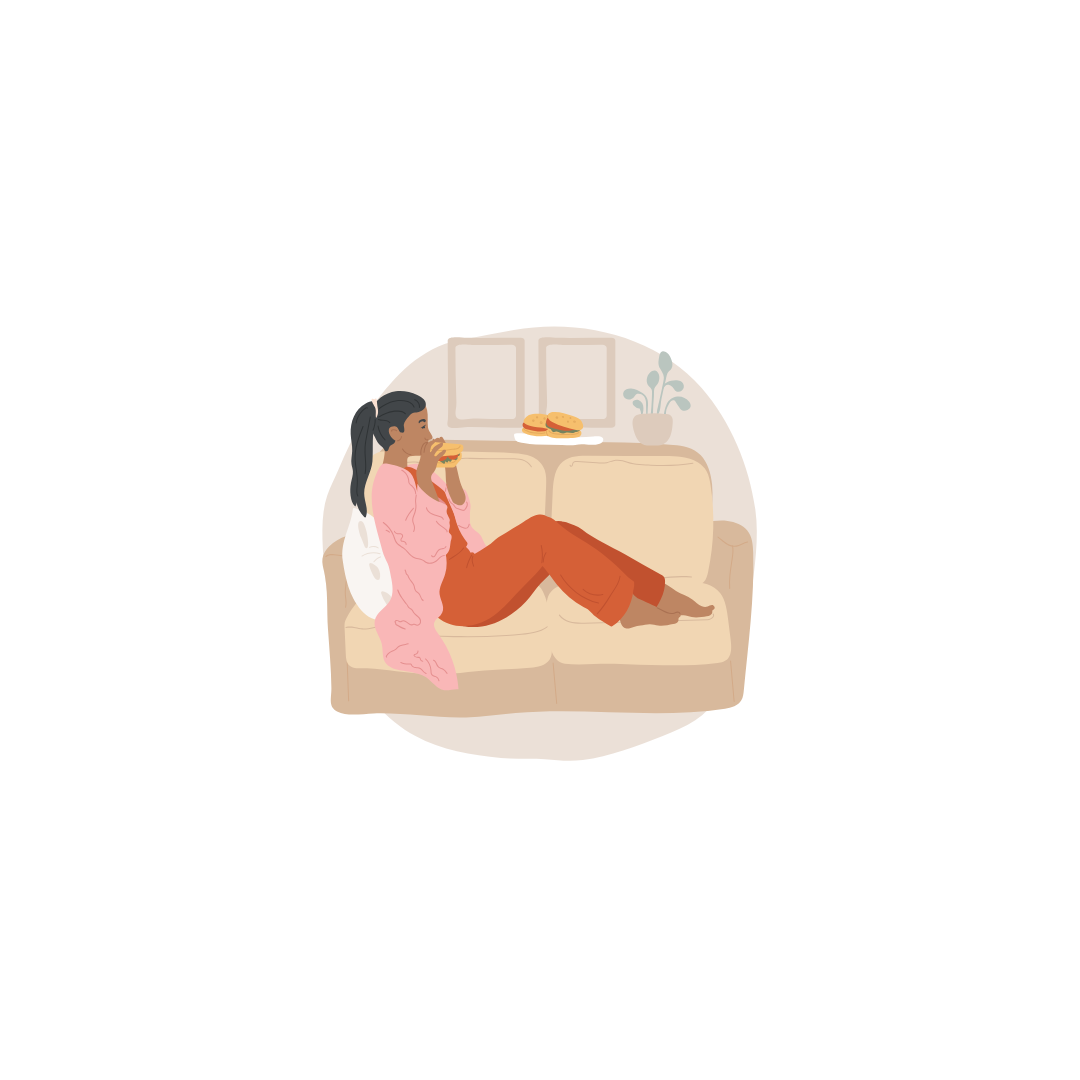
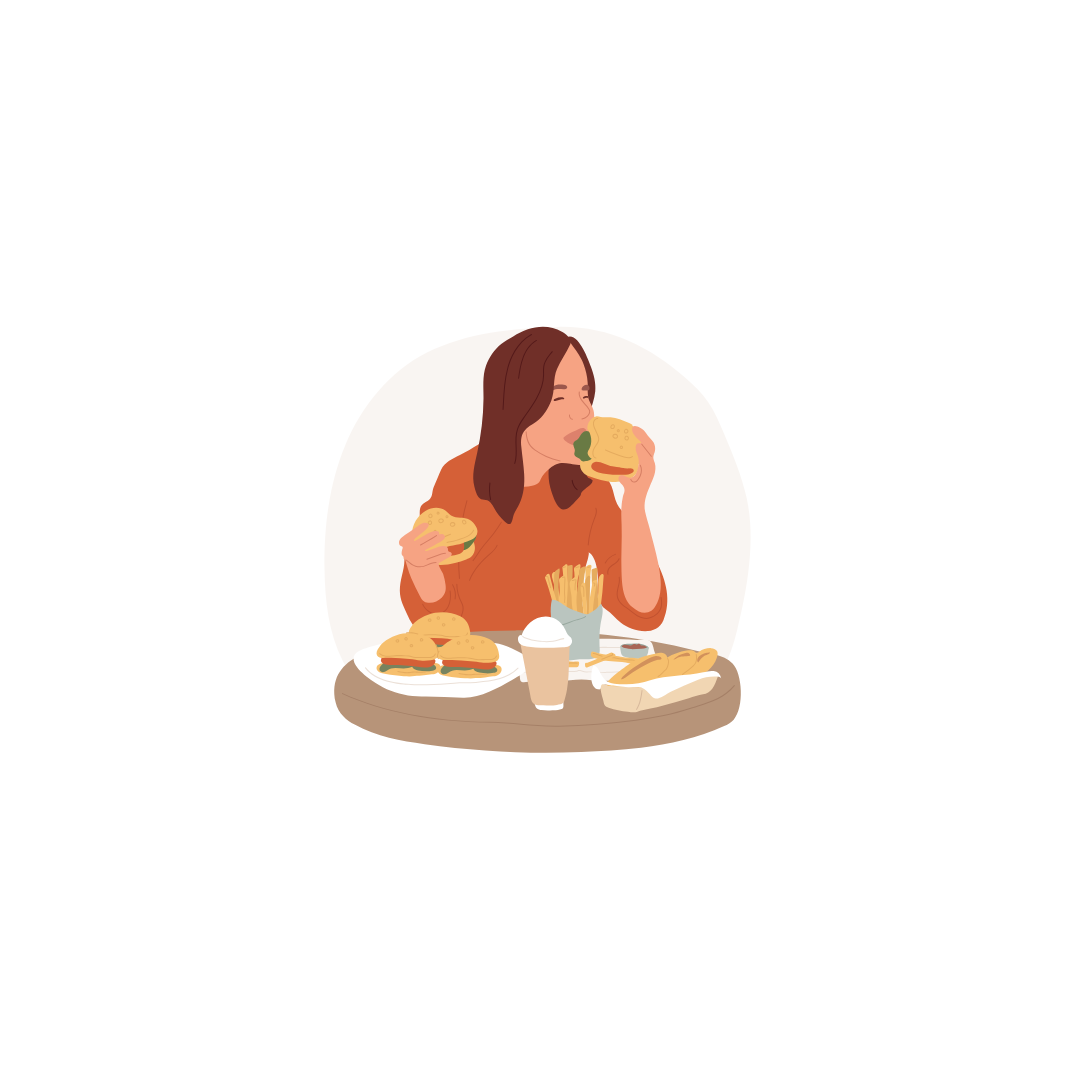
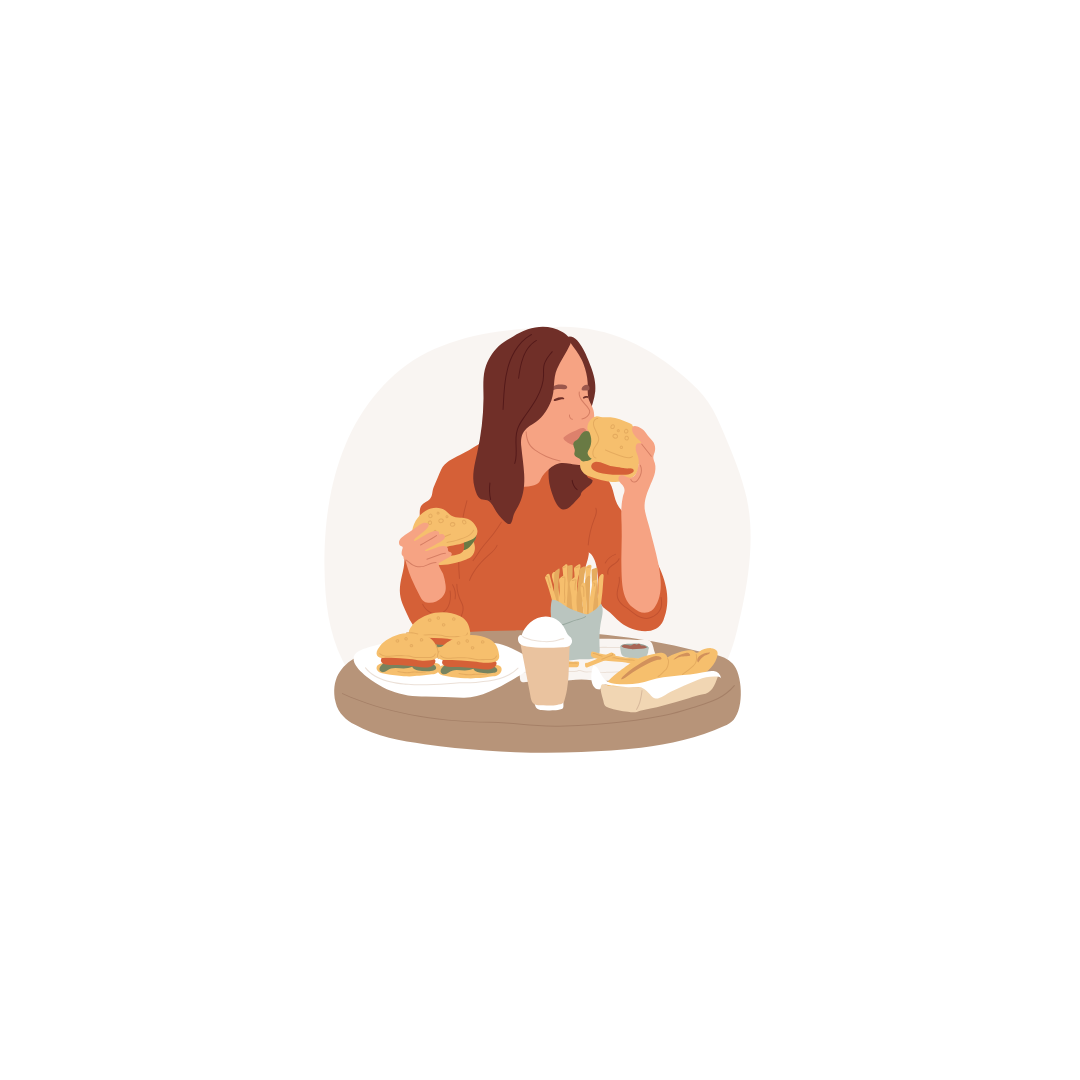
  • Binge Eating Disorder (BED): Marked by recurrent episodes of eating large quantities of food, often quickly and to the point of discomfort, without purging behaviors.

  • Avoidant/Restrictive Food Intake Disorder (ARFID): Involves limitations in the amount or type of food consumed, not due to body image concerns but often based on fear of illness, sensory sensitivity, or lack of interest in eating.

  • Orthorexia (not formally recognized in the DSM-5): An unhealthy obsession with eating only “pure,” “clean,” or “healthy” foods to the detriment of one’s physical or mental health.

Common Signs You Might Have an Eating Disorder


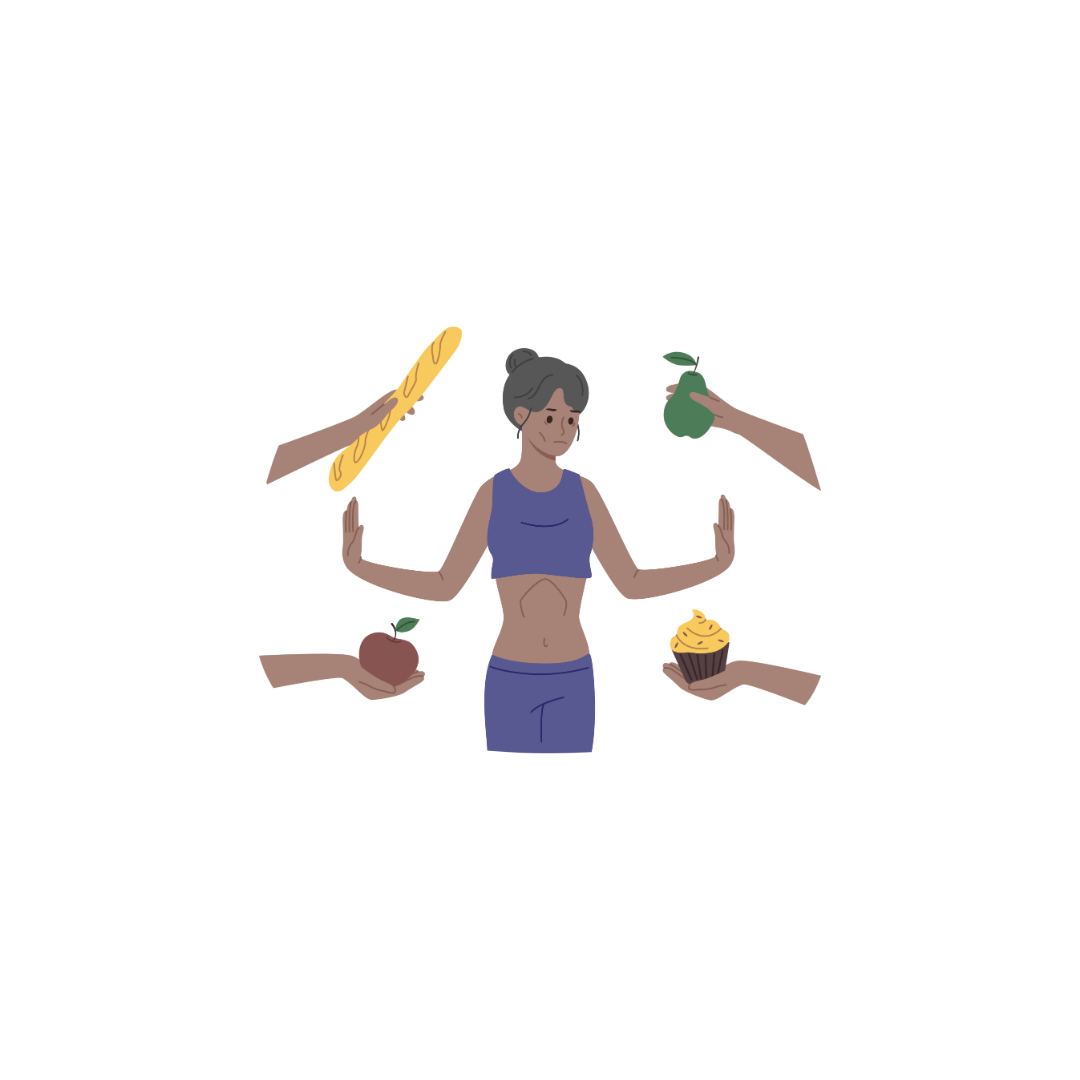
Eating disorders often don’t look the way stereotypes suggest. Many people with eating disorders live in average or larger bodies. It’s not always visible—but that doesn’t mean it isn’t serious. Below are emotional, behavioral, and physical signs that could indicate a disordered relationship with food:


Emotional and Behavioral Signs

  • Constant worry about food, weight, calories, or body shape
  • Strict food rules or rituals (e.g., only eating at certain times or in specific ways)
  • Avoiding meals or eating in secret
  • Feelings of guilt or shame after eating
  • Withdrawing from friends or activities
  • Exercising excessively or compulsively
  • Mood swings, irritability, anxiety, or depression

Physical Signs

  • Noticeable weight fluctuations
  • Gastrointestinal complaints (constipation, bloating, etc.)
  • Dizziness or fainting
  • Fatigue or difficulty concentrating
  • Hair thinning or dry skin
  • Menstrual irregularities or absence of menstruation
  • Feeling cold even in warm environments
  • Dental issues (common in bulimia)
  • Slow heart rate or low blood pressure

Who Is At Risk?


Eating disorders can affect anyone, but certain risk factors may make someone more vulnerable:

  • Genetics: A family history of eating disorders or mental health conditions

  • Personality Traits: Perfectionism, low self-esteem, or high levels of self-criticism

  • Dieting History: Repeated dieting or weight cycling

  • Trauma or Stress: Including abuse, bullying, or major life transitions

  • Cultural and Societal Pressures: Emphasis on thinness, “clean eating,” or fitness culture

  • Athletes: Especially in sports that emphasize weight, aesthetics, or endurance (e.g., dance, wrestling, running, gymnastics)

Do You Relate to Any of These Thoughts?


Sometimes, it’s not obvious that you’re struggling. Ask yourself if any of these resonate:

  • “I feel guilty or ashamed after eating certain foods.”
  • “I can’t go a day without thinking about my weight or what I’ll eat next.”
  • “I skip meals to ‘make up’ for eating too much the day before.”
  • “I avoid social events where food is involved.”
  • “I only feel good about myself when I’m losing weight or eating ‘clean.’”
  • “Exercise feels like something I have to do, not something I enjoy.”

If you relate to one or more of these thoughts, it might be time to take a closer look at your relationship with food and your body.

Why Early Intervention Matters


Eating disorders are among the deadliest mental health conditions, second only to opioid use disorder. Early recognition and treatment significantly increase the chances of full recovery. Left untreated, eating disorders can lead to:

  • Heart complications
  • Gastrointestinal issues
  • Osteoporosis
  • Infertility
  • Malnutrition
  • Increased risk of depression, anxiety, and suicidal thoughts

But with the right support, recovery is possible. It’s important to recognize that recovery is subjective and can mean something different to everyone.

How to Get Help


If you’re wondering, “Do I have an eating disorder?” that question alone is a powerful sign to check in with a professional. You don’t have to have a formal diagnosis or “look sick enough” to deserve help.

Here’s what you can do:

  • Talk to a Dietitian or Therapist: Especially someone who specializes in eating disorders, such as our team at Sööma. A multidisciplinary team approach (dietitian, psychologist, physician) is often best.
  • Tell Someone You Trust: A friend, family member, or coach can help you take that next step.
  • Take an Online Screening: While not diagnostic, screenings from organizations like NEDA can help identify potential red flags.
  • Avoid Self-Blame: Eating disorders are not a choice. They are real, valid medical and psychological conditions that deserve compassionate care.

Contact Us: You Deserve Support


If you or someone you know is struggling with their eating, body image, or is presenting with signs of an eating disorder, feel free to reach out to the Sööma team for support at 514-437-4260 or by email at info@sooma.com.

Whether you’re seeking an initial assessment or ongoing nutrition support, our team is here to walk with you on your path to healing.

You can also book an appointment with one of our team members directly by using this link.

Final Thoughts: Trust Yourself


If you’re still asking yourself, “Do I have an eating disorder?”—trust your instincts. You don’t have to wait until it gets “bad enough” to ask for help. Disordered eating often exists on a spectrum, and early support can prevent symptoms from escalating.

Healing is not about perfection. It’s about coming home to your body, your needs, and your values.

You are not alone. And you are worthy of support.
Written By:

Picture of Leila Bakkioui

Leila Bakkioui

Office and Social Media Coordinator

Related Posts

Scroll to Top