How to Meet Your Needs When You Have No Appetite

We are often told that we should rely on our hunger and fullness cues (internal factors) in order to drive the frequency, choices and quantity of food that we eat. While this is a great recommendation, it’s sometimes not possible to follow due to many different factors, the simplest being not being able to recognize our bodies’ cues. In saying this, we sometimes have to rely on external factors to drive our eating habits, otherwise we risk not eating enough to meet our needs.

A note on interoceptive awareness


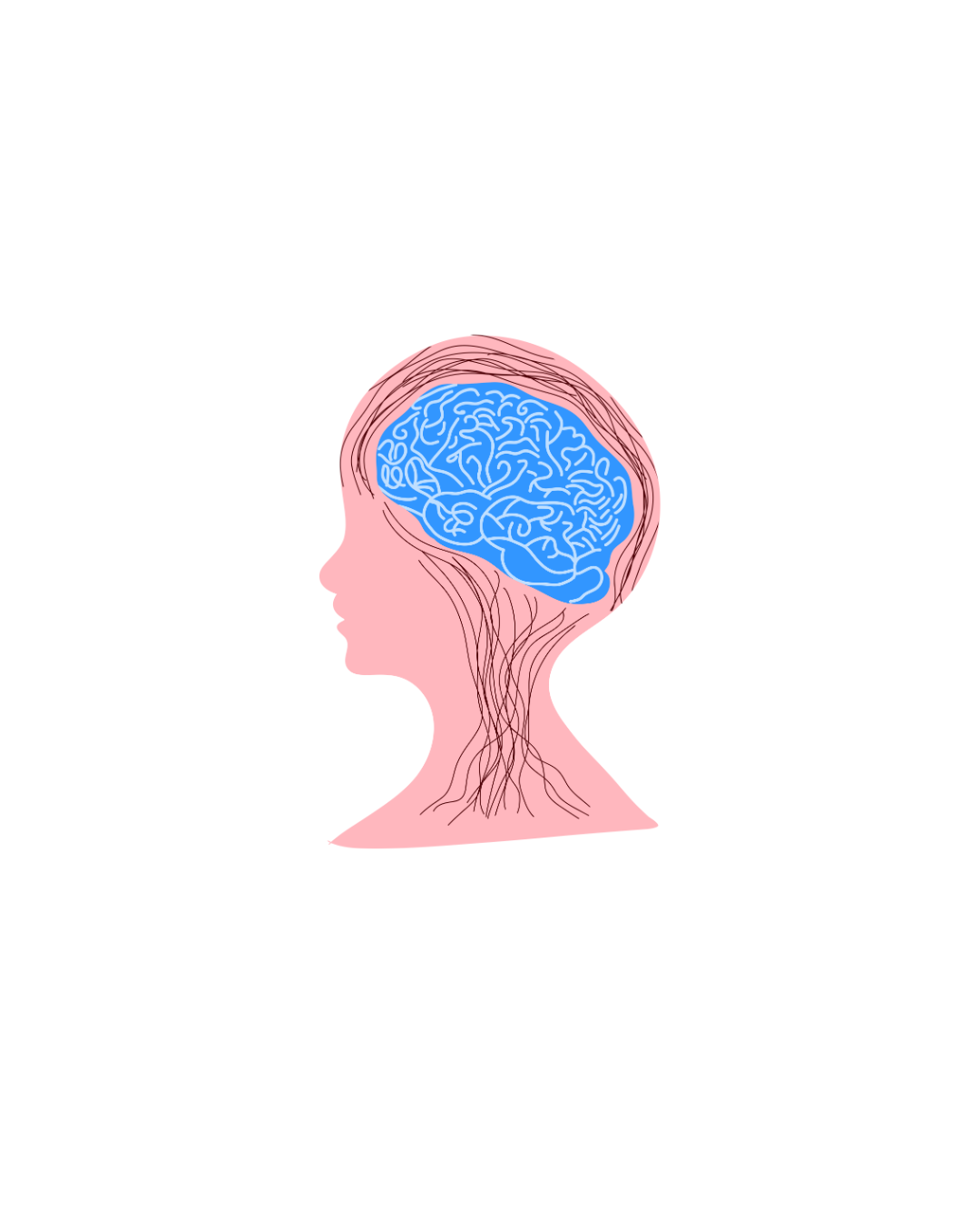
Interoceptive awareness is the ability to perceive the physical sensations that arise in our bodies. It allows us to feel hunger and fullness cues, our heart beating and the urge to go to the bathroom. However, it can sometimes be challenging to notice these sensations, especially for people living with neurodivergence, which can make it very difficult to meet their body’s needs.

What affects hunger or appetite?

 
There are many different factors that can influence one’s hunger cues, including but not limited to:


Hormone levels

Ghrelin and leptin are hormones responsible for increasing or decreasing appetite.

Medications

Certain medications, such as medications for ADD and ADHD, can have side effects that suppress appetite and thus impact the ability to feel hunger.

Exercise

Slows down digestion which might make you feel fuller for longer.

Sickness/injury

The body tries to conserve energy to fight off infection which leaves less energy to digesting food.

Stress/anxiety

Triggers the body’s fight or flight response and shuts down digestion.

Altered eating frequency

If you aren’t eating regularly, your body has a hard time understanding when food is usually available and will not be able to send accurate signals.

It can be helpful to take some time to reflect on the factors that can be affecting your hunger cues in order to know if/when they are reliable or not. If you notice that you often don’t feel your hunger cues, consider these following tips to help you eat adequately despite having little to no appetite:

Eating on a schedule


This ensures that you are eating enough throughout the day and reduces the risk of binge eating once your appetite returns.

Having food accessible as much as possible (planning snacks)


This allows you to have access to food if you happen to feel hungry at a certain point, but also helps you in staying on top of your eating schedule.

Eating foods that you typically love


Don’t try new foods during this time! Rely on foods that you know you love to eat to try to make the process of eating more enjoyable with a lower appetite.

Eating low quantity, high quality foods


Such as those high in calories, ex. nut butters, nuts/seeds, cheese, high-fat dairy products, etc.

Relying on liquids


If you really can’t stomach eating food, you can rely on high-energy drinks such as Boost or Ensure to meet your energy needs for a meal or snack.

Distractions at mealtime


This helps remove the focus off of eating and puts it on another activity that might be more pleasurable.

Conclusion


It can feel counterintuitive to tell ourselves to eat when we have no appetite. This is not to trick our bodies or to punish ourselves, but rather to ensure that we’re eating enough to meet our daily needs. When there are so many factors that are out of our control, we want to try to bring back control in a positive way that can help us feel well-nourished and energized to function optimally. So, when you have no appetite, try to remember that food is energy and that finding stability in the unknown is helpful in maintaining sustainable habits. If you feel like there are barriers to achieving some of the points above, it might be beneficial for you to book an appointment with a Registered Dietitian for further exploration. Contact us at info@sooma.ca or at (514) 437-4260, and we would be happy to chat!

*The information provided is for educational purposes only, and is not to be used or mistaken for diagnostic or treatment purposes. Speak to your health care provider if you feel like you are experiencing symptoms that might be impacting your health.


Written by

Annie Trudel

Registered Dietitian

References

  1. https://stanfordhealthcare.org/content/dam/SHC/programs-services/cancer-nutrition/docs/loss-of-appetite-during-cancer-treatment-nutrition-facts.pdf
  2. https://www.authenticallyemily.uk/blog/interoceptive-awareness-in-autism-and-adhd
  3. https://www.sciencedirect.com/science/article/pii/S0022316622024397

Related Posts

Scroll to Top